
Most people ignore moisture’s effects on silver until tarnish or corrosion becomes visible, but harmful moisture can cause unseen damage too. Humidity, pollutants, and sulfur compounds accelerate oxidation, leading to dullness, discoloration, and surface damage over time. Proper storage and moisture control can prevent this. If you want to protect your silver before signs appear and extend its life, keep exploring ways to maintain its shine and condition.
Key Takeaways
- Silver often shows visible tarnish only after significant moisture exposure has already caused damage.
- Early signs of tarnish, like dullness or color changes, are easily overlooked without proper inspection.
- Many neglect regular cleaning and environmental controls, risking accelerated tarnishing without realizing it.
- Moisture triggers chemical reactions that produce tarnish, but subtle signs are often ignored until damage becomes apparent.
- Prolonged exposure to humidity and pollutants can silently degrade silver, with damage only noticeable when tarnish or corrosion appears.
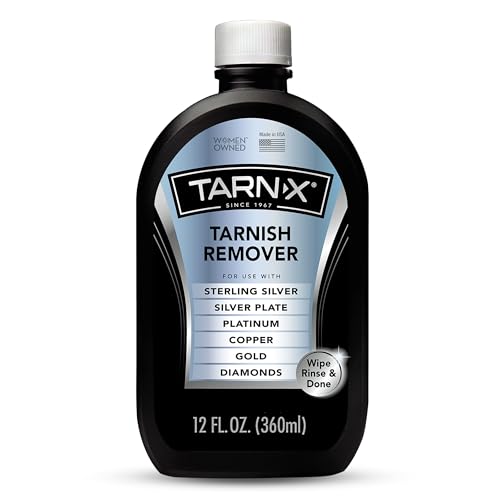
Tarn-X Tarnish Remover, 12 oz. Bottle, Platinum, Copper, Gold, Diamond, Silver Plate, and Sterling Silver Jewelry Cleaner, Wipe-and-Rinse Formula, No Rubbing or Scrubbing
TARNISH REMOVER: Tarn-X Tarnish Remover features a wipe-and-rinse formula that quickly and effectively eliminates tarnish from metals and…
As an affiliate, we earn on qualifying purchases.
As an affiliate, we earn on qualifying purchases.
How Moisture Causes Tarnish and Damage to Silver

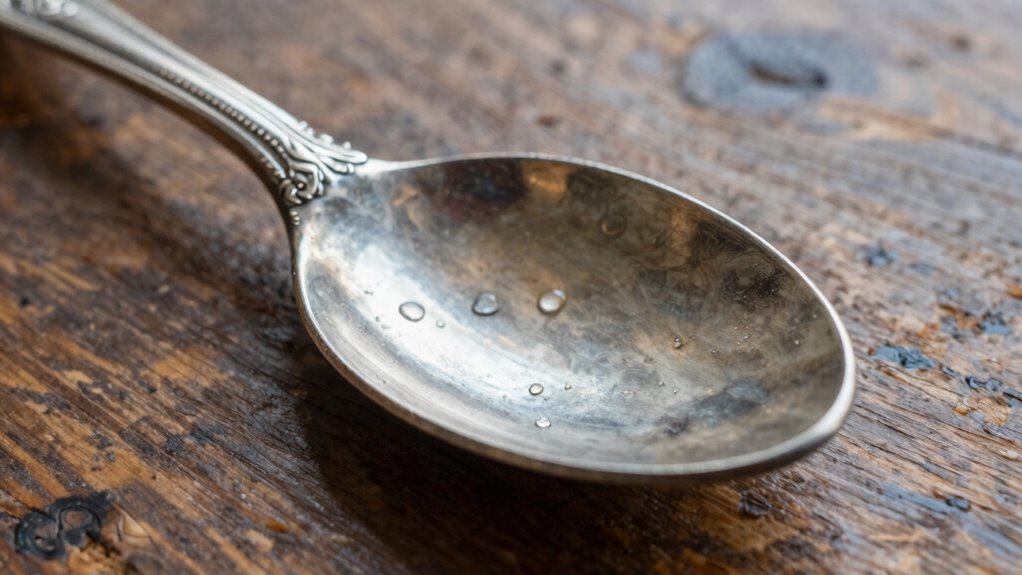
Moisture is one of the main culprits behind silver tarnish and damage because it accelerates the chemical reactions that cause discoloration. Pure silver, although beautiful, reacts easily with elements in the environment when moisture is present. This moisture promotes oxidation, leading to the formation of a tarnish layer called silver sulfide. The process begins when moisture interacts with sulfur compounds in the air, triggering chemical reactions that transform the shiny surface into a dull, discolored layer. The more moisture you expose your silver to, the faster these reactions occur. Proper storage solutions, such as environmentally friendly containers or wraps, can help reduce moisture exposure. Additionally, using humidity control tools can further protect your silver from damaging moisture levels. Employing protective coatings specifically designed for silver can also provide an extra barrier against moisture. To further safeguard your silver, consider using desiccant packs in storage areas to absorb excess humidity. Over time, this damage can weaken the silver’s surface, making it more susceptible to scratches and further deterioration. Keeping moisture away is essential to maintain your silver’s pristine appearance and longevity.

120 Gram (6 Pack) Color-Indicating Desiccant Packs for Storage, Rechargeable Silica Gel Packets, Moisture Absorbers for Gun Safe, 3D Filaments, Cars, Safe, Electronics, Toolboxes
High-Efficiency & Reusable Moisture Control: Vbejill desiccant packs can absorb up to 35% of their weight in water…
As an affiliate, we earn on qualifying purchases.
As an affiliate, we earn on qualifying purchases.
Signs Your Silver Is Tarnishing (Even If You Can’t See It)
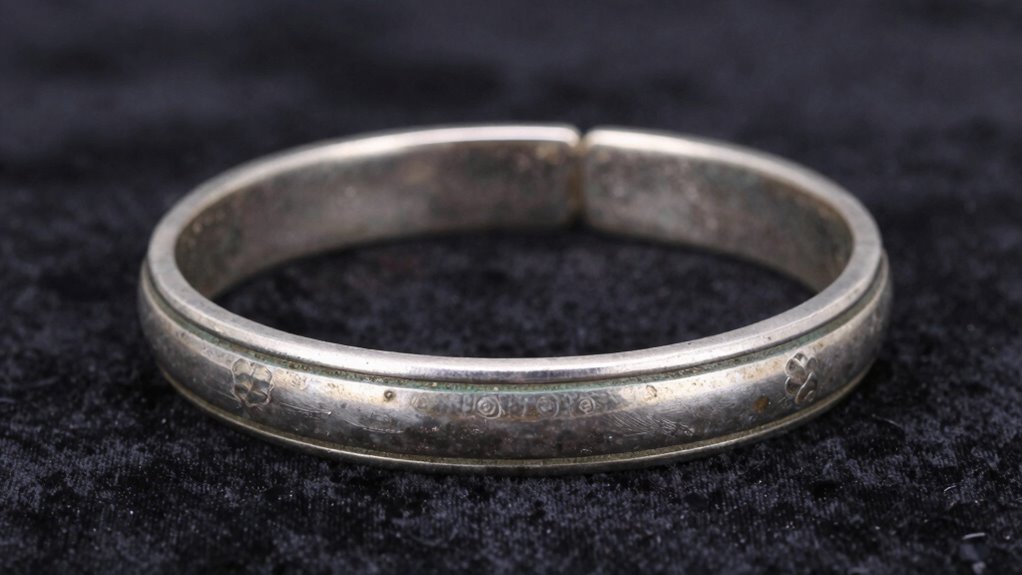
Even if your silver looks fine, it might still be tarnishing beneath the surface. You might notice faint metallic odors or subtle color changes that aren’t immediately visible. Sometimes, the surface feels different—so trust these hidden signs to catch tarnish early. Being aware of affiliate relationships and how they influence product recommendations can help you choose the best cleaning methods and prevent further damage. Additionally, understanding the evolution of portable restrooms can assist in maintaining high standards of hygiene and presentation, even for small details like silverware used at events. Regular maintenance and understanding electric bike pricing can also help you invest in quality cleaning supplies that won’t damage your silver. Recognizing the importance of proper maintenance can help extend the life of your silver and keep it looking its best over time. For example, certain essential oils like tea tree oil with antimicrobial properties can be useful in cleaning silver safely without harsh chemicals.
Unseen Color Changes
You might not notice it at first, but subtle color changes in your silver can signal that tarnishing is underway, even if the surface still looks shiny. These unseen shifts often appear as faint hues—dull gray, yellowish tint, or a slight rainbow sheen—that signal oxidation beneath the surface. Regular jewelry cleaning and proper storage can help delay tarnishing and keep your pieces looking their best longer. To spot these signs, imagine: 1. A faint, uneven discoloration along the edges or crevices. 2. A subtle, cloudy hue that wasn’t there before. 3. A faint rainbow shimmer when light hits certain spots. If you notice these changes, it’s time for jewelry cleaning or silver polishing. Addressing tarnish early helps maintain your silver’s luster and prevents deeper corrosion, preventing further damage and keeping your pieces looking their best longer.
Faint Metallic Odor
A faint metallic odor often signals that your silver is tarnishing, even when it looks perfectly fine. This subtle scent indicates moisture absorption and early tarnish formation, which can’t always be seen. If you notice this smell, it’s time for silver polishing to prevent further damage. Regular cleaning helps remove tiny tarnish particles caused by moisture exposure. Here’s a quick guide:
| Indicator | Action |
|---|---|
| Faint metallic odor | Silver polishing immediately |
| Persistent smell | Check storage for moisture |
| Visible tarnish | Clean thoroughly with silver polish |
Pay attention to this odor—it’s your silver’s quiet warning sign. Addressing it early keeps your pieces shiny and minimizes tarnish buildup caused by moisture absorption.
Unusual Surface Feel
Sometimes, your silver can tarnish beneath the surface without showing any visible signs, and subtle changes in its texture can be your only clue. You might notice an unusual surface feel when you touch it. The tactile sensation could shift from smooth to slightly rough or sticky. These small changes in surface texture signal tarnishing that isn’t yet visible.
Consider these clues:
- A rough or pitted surface that wasn’t there before.
- A sticky or tacky feel when handling your silver.
- An uneven, matte patch contrasting with the shiny areas.
These tactile sensations indicate tarnish developing internally, warning you to take action before more obvious signs appear. Paying attention to surface texture allows you to catch tarnishing early, preserving your silver’s beauty.
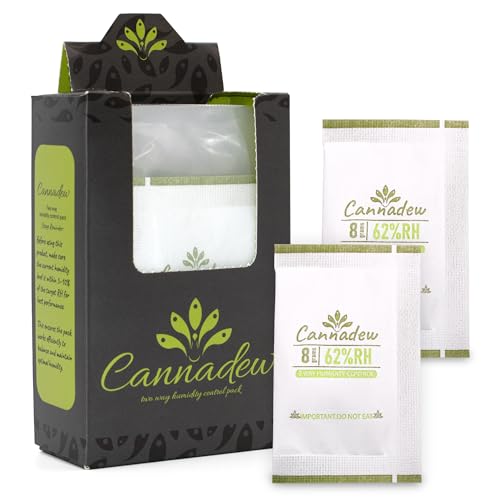
62% RH, 8g (15 Pack) Cannadew Humidity Packs Two-Way Humidity Control Pack – Moisture Absorbers & Hydration Packets for Curing and Storage
🌿 Keep Fresh with Cannadew– Cannadew 62% humidity packs help maintain the ideal environment to keep your natural…
As an affiliate, we earn on qualifying purchases.
As an affiliate, we earn on qualifying purchases.
Environmental Factors That Speed Up Silver Tarnish

Environmental factors such as humidity, air pollution, and exposure to certain chemicals can remarkably accelerate silver tarnishing. When silver comes into contact with elements like sulfur compounds or hydrogen sulfide in the air, chemical reactions occur on its surface. These reactions produce silver sulfide, which appears as tarnish—dull, dark spots that spoil its shine. The type of silver alloy also influences how quickly tarnish forms; alloys with higher copper content tend to tarnish faster. Pollution particles and acidic compounds in the environment further enhance these chemical reactions, speeding up the tarnishing process. If you expose your silver to these conditions, you’ll notice discoloration much sooner. Being aware of these environmental influences can help you understand why your silver deteriorates and motivate you to take preventive measures. Understanding silver alloys can help you choose materials that are more resistant to tarnishing over time. Additionally, precious metal IRA investments, such as those offered by Noble Gold and Augusta, often include silver with specific alloy compositions that are more resistant to environmental damage. Recognizing these environmental influences and the importance of metal composition can help you better protect your silver collections and investments.

Rust-Oleum 7271830 Stops Rust Metallic Spray Paint, 11 oz, Silver
Weather and corrosion resistant coating protects exterior and interior surfaces like wood, metal, concrete, masonry and more
As an affiliate, we earn on qualifying purchases.
As an affiliate, we earn on qualifying purchases.
Simple Ways to Protect Silver From Humidity
Humidity is one of the main culprits behind silver tarnishing, but you can easily protect your pieces by controlling moisture levels. High humidity accelerates tarnish, especially with silver alloys more prone to reacting with moisture. To keep your silver pristine, consider these simple steps:
- Store your silver in airtight containers or zip-lock bags with anti-tarnish strips to reduce humidity exposure.
- Use silica gel packs in jewelry boxes or storage bins to absorb excess moisture.
- Keep your silver away from humid environments, like bathrooms or basements, where humidity levels are hard to control.
- Regularly cleaning your silver with proper maintenance techniques can also help prevent tarnish caused by humidity.
- Understanding the chemical reactions involved in tarnishing can help you better protect your silver over time.
- Incorporating moisture control strategies into your storage routine can further extend the lifespan of your silver items. Additionally, being aware of environmental factors that contribute to humidity can help you take proactive measures to safeguard your jewelry.
Best Storage Practices for Silver Jewelry and Antiques
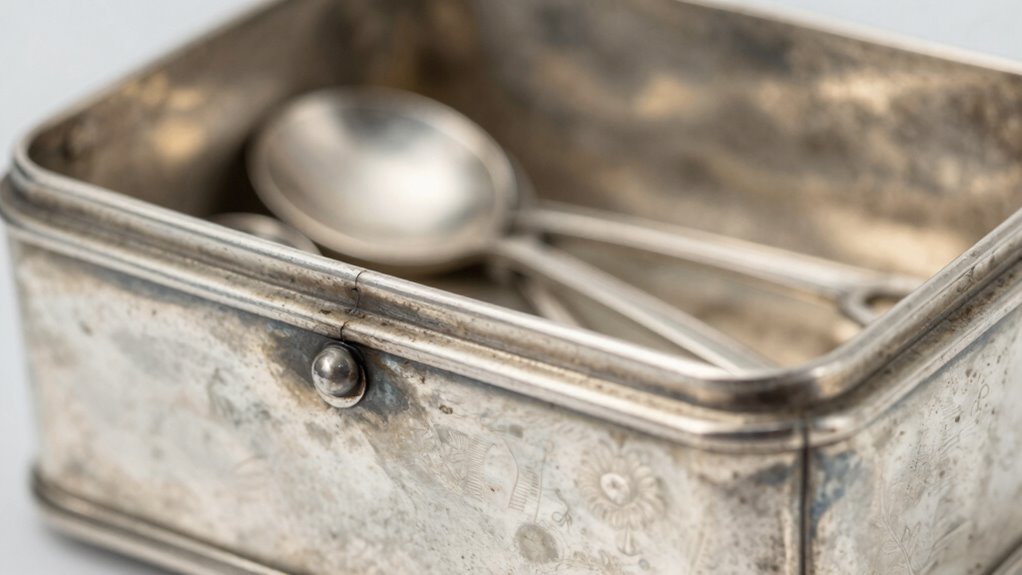
To keep your silver jewelry and antiques in top condition, you need to control the environment where you store them. Using the right storage materials, like anti-tarnish pouches or cloths, can make a big difference. Proper environment control and effective storage choices help prevent moisture damage and preserve your pieces’ beauty. Additionally, safety precautions when handling and storing these items can prevent accidental damage or tarnishing. Being aware of Italian gelato culture and pricing can also inspire you to create a more inviting display environment that appeals to collectors and enthusiasts alike. Incorporating hydrotherapy techniques, such as using dehumidifiers or moisture-absorbing packets, can further protect delicate items from humidity-related tarnishing. Implementing environmental monitoring tools can help you maintain optimal storage conditions consistently. Regularly inspecting and adjusting storage conditions based on climatic fluctuations can significantly extend the lifespan of your silver pieces.
Proper Environment Control
Maintaining the right conditions is essential to preserving silver jewelry and antiques. Proper environment control helps prevent tarnish and corrosion caused by moisture. Focus on humidity control by keeping the storage area between 30-50% humidity. Consider using a dehumidifier or silica gel packs to absorb excess moisture. Additionally, regularly silver polishing keeps the surface shiny and free of tarnish. Visualize your storage space as a safe haven:
- A cool, dry cabinet with minimal temperature fluctuations
- Air that feels crisp and free of dampness
- Silver pieces that gleam after gentle polishing, ready for display or wear
Controlling humidity and maintaining clean, polished surfaces are your best defenses against moisture damage, ensuring your silver remains beautiful for years to come.
Effective Storage Materials
Choosing the right storage materials is essential to protecting your silver jewelry and antiques from moisture and tarnish. Use storage containers made from anti-tarnish materials or lined with tarnish-resistant fabric to maintain silver purity. Avoid storing silver in cardboard or non-archival plastics, which can trap moisture and cause tarnish. Instead, opt for airtight, acid-free boxes or pouches that prevent air exposure and humidity buildup. Wrap pieces individually in soft cloths or anti-tarnish tissue to avoid scratches and oxidation. Keep your storage environment cool and dry, and consider adding silica gel packets inside containers to absorb excess moisture. These effective storage materials help preserve your silver’s shine, ensuring your collection remains beautiful and free from tarnish over time.
How to Remove Tarnish and Restore Silver’s Shine
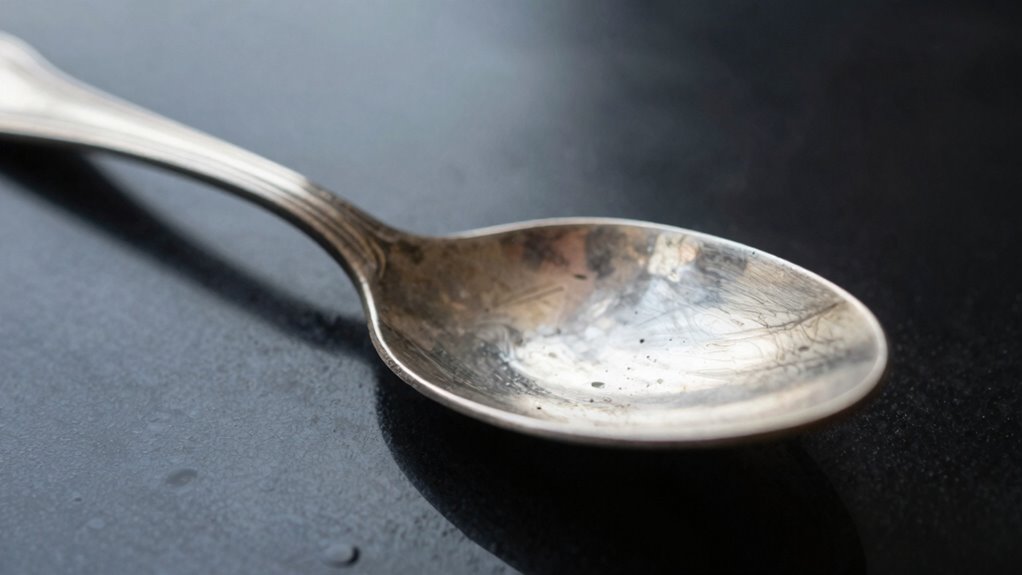
Tarnish can quickly dull the beauty of your silver, but removing it is simpler than you might think. To restore its shine, start with a gentle silver polishing cloth to buff away surface tarnish. For deeper cleaning, create a mixture of mild dish soap and warm water, then soak your jewelry briefly before gently scrubbing with a soft brush. Rinse thoroughly and dry with a soft cloth to prevent water spots. You can also use a commercial silver cleaner for stubborn tarnish, but always follow the instructions carefully. Visualize your silver gleaming again—imagine a mirror-like shine. Remember, regular jewelry cleaning and proper storage help maintain that brilliance longer, making tarnish less likely to form.
Preventative Tips to Keep Silver Looking Its Best
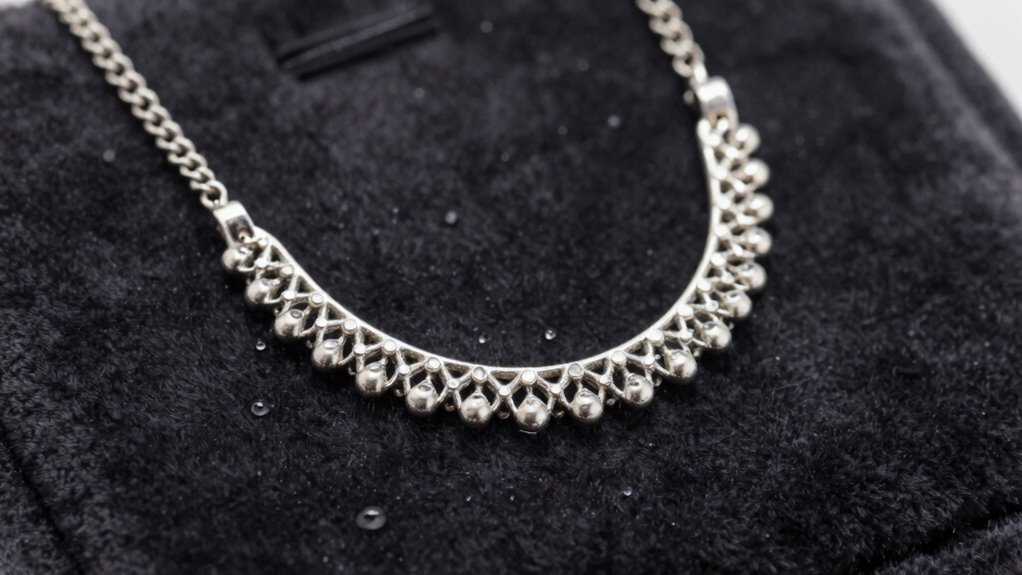
To keep your silver looking its best, taking proactive steps can make a significant difference in preventing tarnish and surface damage. Focus on storing silver in a cool, dry place, away from moisture and humidity. Use tarnish-resistant cloths and specialized cleaning solutions designed for silver purity to gently clean and protect your pieces regularly. Avoid harsh chemicals that can harm the silver’s surface. Proper storage, such as anti-tarnish pouches or lined boxes, also helps maintain its shine. Consider using silica gel packs in storage containers to absorb moisture. Regularly inspecting your silver ensures you catch early signs of tarnish. By implementing these preventative tips, you’ll preserve your silver’s luster and extend its lifespan.
| Tip | Explanation | Benefit |
|---|---|---|
| Store in dry environments | Keeps moisture away from silver | Prevents tarnish formation |
| Use specialized cleaning solutions | Gentle, effective cleaning method | Maintains silver’s shine |
| Keep in tarnish-resistant pouches | Reduces exposure to air and moisture | Preserves silver purity |
| Avoid harsh chemicals | Protects surface from damage | Extends silver lifespan |
| Regular inspections | Detect early tarnish or damage | Preserves silver’s brilliance |
Common Mistakes That Accelerate Silver Tarnishing

Many common mistakes can speed up the tarnishing process of your silver, often without you realizing it. One mistake is keeping silver in direct contact with rubber or certain fabrics, which can cause chemical reactions that accelerate tarnishing. Second, using harsh cleaning chemicals or abrasive materials damages silver plating, exposing it to faster oxidation. Third, storing silver improperly—like in humid environments or with other metals—can facilitate moisture and chemical reactions that lead to tarnish. These errors create conditions where silver reacts more quickly with sulfur compounds and moisture in the air. Avoiding these pitfalls helps preserve your silver’s shine longer. Proper storage, gentle cleaning, and mindful handling are key to slowing down tarnishing caused by these common mistakes.
Frequently Asked Questions
How Often Should I Check My Silver for Signs of Tarnish?
You should check your silver weekly for signs of tarnish to guarantee issues early. Regular inspections help with tarnish prevention and make silver polishing easier. If you notice any dullness or discoloration, it’s time to clean and polish your silver. Staying vigilant ensures your pieces stay shiny and beautiful longer, preventing stubborn tarnish buildup. Consistent checks help maintain your silver’s appearance and protect your investment over time.
Can Certain Cleaning Products Damage Silver?
Certain cleaning agents can damage your silver if they contain abrasive or harsh chemicals. When you do silver polishing, opt for gentle, specially formulated silver cleaners. Avoid using regular household cleaning agents like bleach or lemon juice, as they can cause tarnish or scratches. Always read labels carefully and test a small area first. Proper silver polishing with suitable products helps maintain your silver’s shine without risking damage.
Does Silver Tarnish Faster Indoors or Outdoors?
You’ll notice silver tarnishing faster outdoors, where environmental factors like humidity, pollution, and temperature swings accelerate silver oxidation. The air’s moisture and pollutants cling to your silver, forming tarnish layers quicker than indoors. Inside, controlled conditions slow this process, giving your silver more time to stay shiny. So, if you want to keep it gleaming longer, store your silver in a dry, stable environment away from outdoor elements.
Are There Specific Humidity Levels to Avoid for Silver Storage?
You should aim to keep humidity levels between 30-50% for ideal silver storage. Proper humidity control prevents tarnishing and corrosion, preserving your silver’s shine. Avoid high humidity environments, especially above 60%, which accelerate tarnish. Stable storage conditions with consistent humidity help maintain your silver’s quality over time. Using silica gel packets or dehumidifiers can assist in regulating moisture and protecting your treasured pieces effectively.
Can Silver Tarnish Be Prevented With Coatings or Sealants?
You can prevent silver tarnish with coatings or sealants, which form a barrier against moisture and sulfur. Studies show protective coatings reduce tarnish formation by up to 80%, keeping your silver bright longer. Sealant effectiveness depends on proper application and material quality. Regularly applying a suitable sealant creates an effective shield, preventing oxidation, and preserving your silver’s shine, especially in humid environments where tarnish develops rapidly.
Conclusion
Don’t let moisture sneak in like a silent thief stealing your silver’s luster. By staying vigilant and nurturing your treasures with proper care, you become the guardian of their timeless beauty. Think of your silver as a delicate dance partner — with moisture as the unwelcome shadow. With simple steps and a watchful eye, you can keep their shine radiant, ensuring they’ll sparkle like stars in your collection for generations to come.