

Before rolling over employer plan assets, you should gather your latest plan statements to confirm your current balance and last contribution date, along with records of any previous rollovers. Document the plan’s distribution forms, instructions, and deadlines, and verify details of the receiving account, including confirmation from the receiving institution. Keep all correspondence, track key dates, and understand IRS rules to stay compliant. Continuing will help you uncover more essential steps for a smooth rollover.
Key Takeaways
- Collect and review the most recent retirement plan statements, including current balance and last contribution date.
- Obtain and verify the plan’s distribution form and instructions, ensuring proper completion and adherence to procedures.
- Document receiving account details, including account type, number, and institution contact info, along with confirmation of transfer.
- Record whether the rollover is direct or indirect, along with relevant dates and communication records.
- Keep all correspondence, interaction notes, and proof of compliance with IRS rollover deadlines for future reference.

Before you roll over employer plan assets, it’s essential to gather and record all necessary documentation to facilitate a smooth transfer and protect your interests. Proper documentation helps ensure you meet rollover deadlines and understand the tax implications involved. Failing to keep accurate records can lead to delays, unnecessary taxes, or even penalties, so being thorough upfront saves you trouble later.
Gather and record all documents before rolling over to ensure deadlines are met and tax implications understood.
Start by collecting your most recent statements from your employer’s retirement plan. These documents show your current balance, the date of the last contribution, and any previous rollovers. Having this information at hand makes it easier to track your assets and verify that your rollover is completed correctly. Additionally, obtain a copy of your plan’s distribution form and any specific instructions or procedures required by your plan administrator. This helps ensure you follow the proper steps and meet all deadlines.
You’ll also want to document your chosen receiving account, whether it’s an IRA or another qualified plan. Keep records of the account details, including the account number and financial institution’s contact information. When you initiate the rollover, request a confirmation letter or statement from the receiving institution. This confirms the transfer was completed and provides a record for future reference, especially if questions arise about the transfer timeline or amounts.
Understanding the tax implications is crucial. Document the type of rollover you’re doing—whether it’s a direct rollover or a rollover by you (indirect). A direct rollover, where the funds move directly between plans without passing through your hands, typically avoids immediate tax consequences. An indirect rollover requires you to deposit the funds into the new account within 60 days to avoid taxes and penalties. Keep detailed records of any communications and the dates involved, as these can be critical if the IRS questions the rollover. Additionally, knowing the tax rules related to rollovers can help you avoid common pitfalls. It’s also advisable to consult industry insights to stay updated on recent regulatory changes affecting rollovers.
Rollover deadlines are strict, with a 60-day window for indirect rollovers. Missing this deadline can trigger taxes and early withdrawal penalties. To stay compliant, note down the exact dates when you receive the distribution and when you make the deposit. Maintaining a timeline of these dates ensures you adhere to IRS rules, minimizing the risk of unintended tax consequences. Additionally, understanding the employer plan assets involved can help you better navigate the complexities of the rollover process. Keeping detailed records of these key dates can also serve as proof of compliance if any issues arise later.
Finally, document any correspondence with your plan administrator or financial advisor. Keeping records of email exchanges, phone calls, and instructions received helps clarify the process and provides evidence if disputes or questions about the rollover emerge later. Being meticulous now not only simplifies your rollover process but also safeguards your financial interests, ensuring a smooth transition without unexpected tax surprises. Moreover, having detailed documentation can be valuable if you need to resolve disputes or seek advice in the future.

Hxezoc Happy Retirement Card Box Party Favors Post Box Cardboard Receiving Money Box Holder for Retirement Party, Going Away Party Table Centerpiece Decorations
- Large Size: 7.9 x 7.9 x 7.9 inches
- Durable Material: High-quality sturdy cardstock paper
- Elegant Design: Stars background with gold accents
As an affiliate, we earn on qualifying purchases.
As an affiliate, we earn on qualifying purchases.
Frequently Asked Questions
Can I Roll Over Employer Plan Assets to a Roth IRA?
Yes, you can roll over employer plan assets to a Roth IRA, but be aware of the tax implications. The rollover from a traditional employer plan to a Roth IRA is considered a Roth conversion, meaning you’ll owe taxes on the amount converted. This move also expands your investment options, giving you more flexibility in managing your retirement funds. Make sure to document the rollover properly to avoid potential IRS issues.
How Long Do I Need to Keep Rollover Documentation?
You should keep rollover documentation for at least six years, following record retention guidelines. This guarantees you meet documentation requirements if questions arise or for IRS audits. Keep copies of all transfer forms, statements, and correspondence related to the rollover. Staying organized helps you verify the rollover was completed correctly and provides proof of compliance, safeguarding your financial records over time.
Are There Fees Associated With Rolling Over Employer Plan Assets?
Rolling over employer plan assets is like opening a new chapter—fees can vary. Usually, there are no direct fees for the rollover itself, but some plans might charge fees, and you should review fee disclosures carefully. Additionally, consider investment options and their associated costs. Always ask for fee disclosure documents and compare options to avoid unexpected expenses, ensuring your rollover aligns with your financial goals.
What Happens if I Forget to Document My Rollover?
If you forget to document your rollover, you risk facing tax implications, such as it being treated as a taxable distribution. This could also affect your plan’s eligibility for future contributions or rollovers. Proper documentation is essential to prove you followed the correct process and avoided penalties. Always keep records of your rollover to guarantee you meet IRS requirements, protect your savings, and maintain your plan’s eligibility.
Can I Roll Over Assets From Multiple Employer Plans Simultaneously?
Yes, you can roll over assets from multiple employer plans simultaneously. This process is called a plan transfer, allowing you to consolidate your accounts into a single IRA or new employer plan. To guarantee smooth account consolidation, you should coordinate with each plan administrator, complete all required paperwork, and specify that the transfers are direct rollovers. Doing so helps avoid taxes and penalties while simplifying your retirement savings.
IRA transfer confirmation letter
As an affiliate, we earn on qualifying purchases.
As an affiliate, we earn on qualifying purchases.
Conclusion
Think of rolling over your employer plan assets like exploring a new city—you need a map. When you document everything beforehand, it’s like having clear street signs guiding you, preventing costly detours. I once met someone who skipped this step and faced unexpected taxes, turning her smooth move into a roadblock. So, take the time now to record your decisions; it’s your roadmap to a hassle-free financial journey ahead.
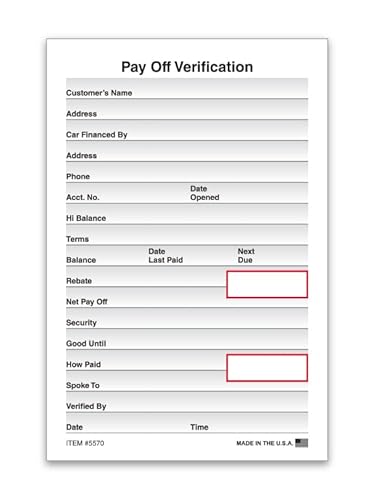
Pay Off Verification Forms 4.5 x 6.75 1 Part, 100 Sheet/Pad, Pad 2
- Accurate Documentation: Precisely capture payoff and verification details
- Compact Size: Measures 4.5 x 6.75 inches for easy handling
- Premium Paper Quality: Made from durable 50# offset paper
As an affiliate, we earn on qualifying purchases.
As an affiliate, we earn on qualifying purchases.
IRS compliant rollover documentation
As an affiliate, we earn on qualifying purchases.
As an affiliate, we earn on qualifying purchases.