Air-gapped wallets seem safer because they keep private keys offline, reducing remote hacking risks. However, their security depends on careful setup, device integrity, and handling. Human errors, like misplacing keys or falling for malware tricks, can compromise assets. Physical security and trusted hardware are vital, but vulnerabilities like supply chain attacks still exist. If you want to understand how to truly safeguard your crypto, there’s more to take into account beyond just offline storage.
Key Takeaways
- Human errors during setup or handling can undermine the security benefits of air-gapped wallets.
- Hardware vulnerabilities or manufacturing flaws can introduce risks despite offline isolation.
- Trusting physical transfer methods may lead to accidental exposure or theft of private keys.
- Insider threats or compromised supply chains can compromise otherwise secure offline devices.
- Overconfidence in offline security might cause neglect of best practices, increasing vulnerability.
What Are Air-Gapped Wallets and Why Are They Secure?
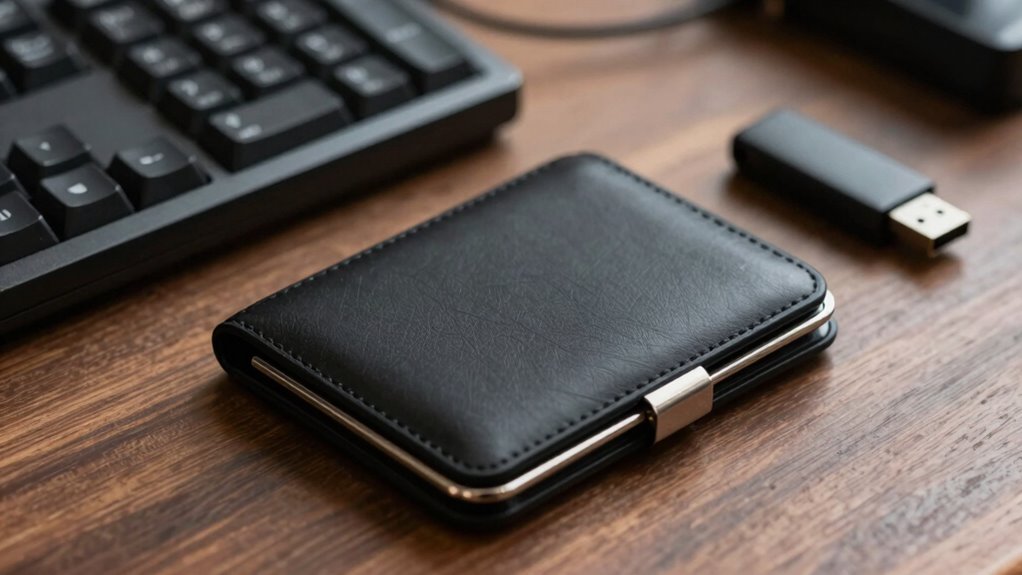
Ever wondered how some investors keep their cryptocurrencies ultra-secure? That’s where air-gapped wallets come into play. These wallets are a form of cold storage, meaning they aren’t connected to the internet, reducing hacking risks. You generate your private keys offline, often on a separate device, ensuring they never touch online systems. This makes it nearly impossible for cybercriminals to access your keys remotely. When you need to make a transaction, you transfer it via physical means like a USB drive or QR code, keeping your private keys protected at all times. This setup isolates your assets from online threats, giving you peace of mind. Essentially, air-gapped wallets leverage offline security to keep your private keys safe from digital intrusions. The high security provided by this method is especially important for safeguarding valuable assets.
Common Challenges in Setting Up Offline Crypto Wallets
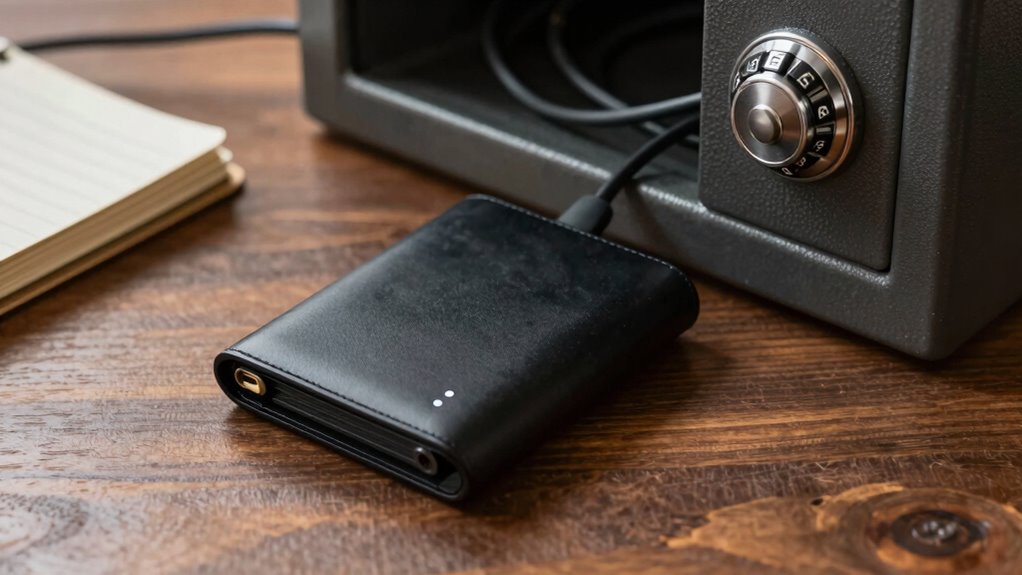
Setting up offline crypto wallets presents several practical challenges that can trip up even experienced users. One key difficulty is ensuring the wallet isn’t exposed to smart contract vulnerabilities, which can threaten the security of your holdings if not properly vetted before transfer. Additionally, many users overlook the importance of exchange security, mistakenly trusting exchanges with their private keys or recovery phrases. When setting up offline wallets, you need to verify the integrity of hardware devices and avoid malware that could compromise sensitive information. Transferring funds securely without exposing private keys demands careful, deliberate steps. Mistakes during setup, like improper storage or handling of seed phrases, can undermine the wallet’s safety. These challenges highlight that a well-planned setup process is essential to truly benefit from offline security. Understanding security best practices and digital concepts can further help investors make informed decisions in this space.
How Human Error Can Jeopardize Your Offline Wallets
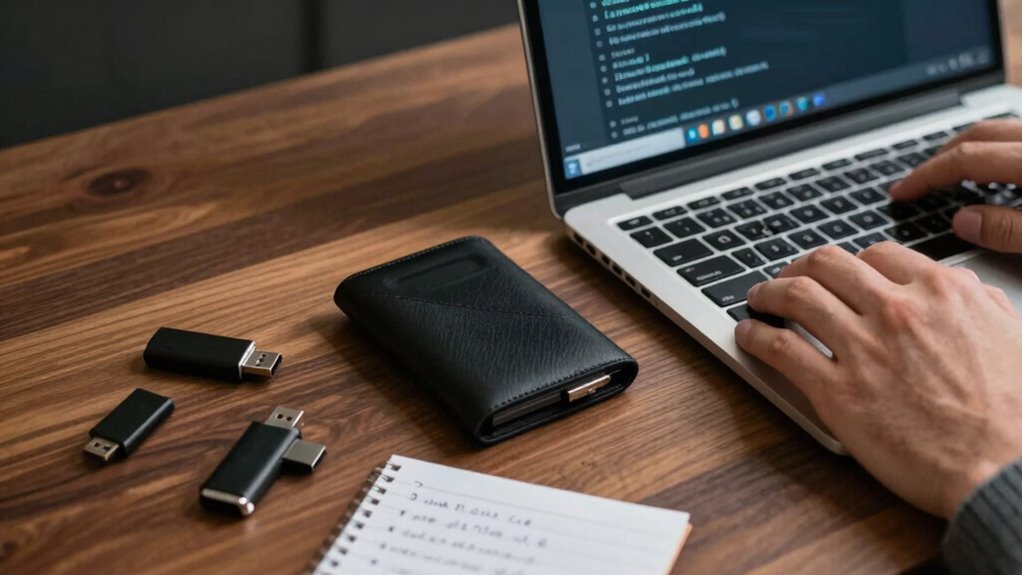
Human error remains one of the biggest risks when managing offline wallets, as even small mistakes can compromise your security. Overlooking details or falling into complacency risks can lead to critical vulnerabilities. Human oversight, like misplacing keys or mishandling sensitive data, can undo the safety of an air-gapped setup. To minimize risks, stay vigilant and double-check each step. Avoid rushing through processes that involve private keys or seed phrases. Here’s a quick overview:
| Mistake Type | Preventative Measure |
|---|---|
| Human oversight | Regularly verify wallet and seed integrity |
| Complacency risks | Follow strict security protocols |
| Accidental exposure | Limit physical access and monitor actions |
Additionally, understanding proper firewood stacking techniques can help prevent accidental damage or loss, which parallels how careful handling of digital assets is crucial for security. Being aware of common off-road vehicle safety practices can also serve as a reminder to stay cautious when managing sensitive information. Recognizing the importance of security protocols and adhering to best practices can further reduce human-related vulnerabilities. Regularly updating your knowledge on best security practices can help prevent complacency and strengthen your overall safety measures. Moreover, implementing multi-factor authentication adds an extra layer of protection against potential human errors.
Limitations of Air-Gapped Wallets Compared to Other Security Measures
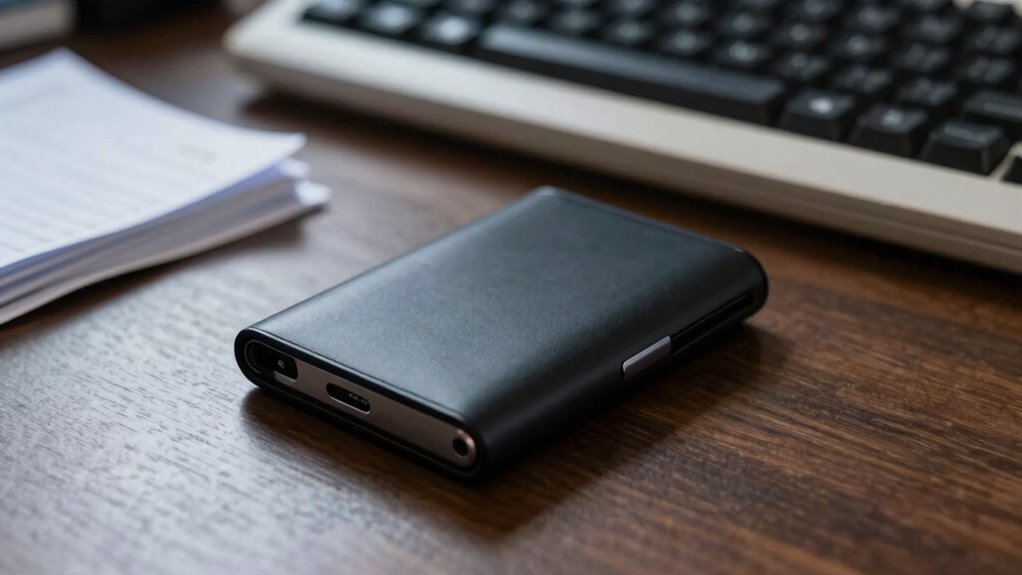
While careful handling can reduce human errors, air-gapped wallets still face notable limitations compared to other security measures. Hardware vulnerabilities pose a significant risk, as malicious firmware or compromised manufacturing processes can create backdoors, undermining your wallet’s safety. Additionally, insider threats—such as employees or contractors with access to hardware—can exploit their privileges to tamper with devices before deployment or during maintenance. Unlike multi-layer security systems, air-gapped wallets rely heavily on physical separation, which doesn’t eliminate the risk of covert hardware tampering. Moreover, if your backup or seed phrase is stored insecurely, it becomes an easy target. These limitations highlight that air-gapped wallets aren’t foolproof and should be part of a broader, layered security approach. Hardware vulnerabilities can also be introduced through supply chain attacks, emphasizing the importance of sourcing trusted components. Ensuring the integrity of the manufacturing process is essential to minimize these risks.
Practical Tips for Safeguarding Your Offline Crypto Storage
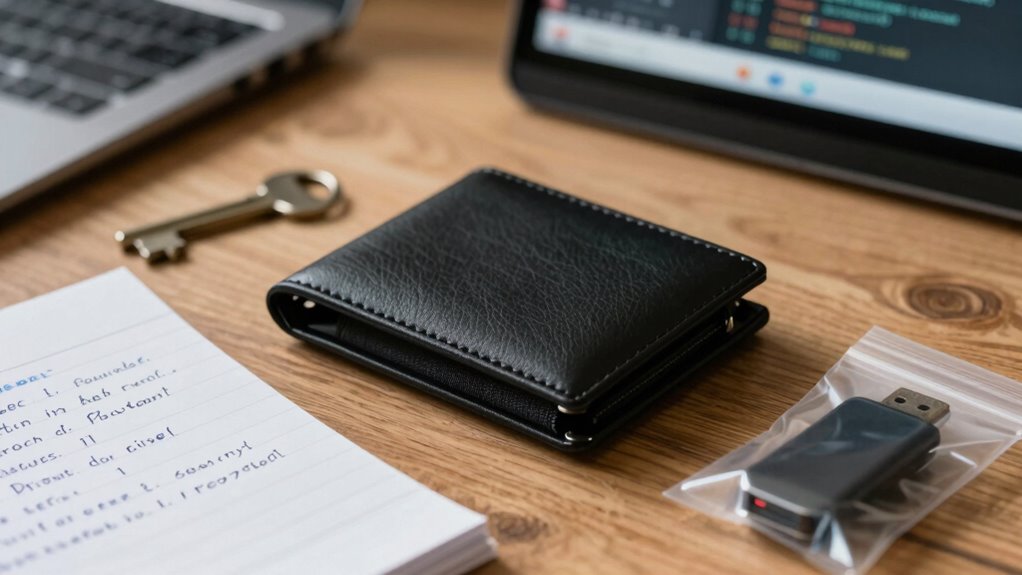
To effectively safeguard your offline crypto storage, you need to implement practical security measures that complement the inherent strengths of air-gapped wallets. First, use a hardware wallet to generate a digital signature offline, ensuring no exposure to online threats. Keep your private keys in cold storage, disconnected from the internet at all times. To further enhance security, consider incorporating outdoor transformations to create a more secure and controlled environment for your hardware devices. Always verify the authenticity of your device and avoid sharing sensitive info. Remember, cold storage greatly reduces attack vectors, but diligent handling is essential.
Frequently Asked Questions
Can Air-Gapped Wallets Be Hacked Remotely?
Air-gapped wallets can’t be hacked remotely through traditional methods, but they’re not entirely foolproof. Quantum vulnerabilities could threaten their security in the future, and insider threats remain a concern if someone gains physical access or manipulates the device. You should stay cautious, regularly update security measures, and avoid trusting physical access to potentially compromised individuals. While they’re safer than online wallets, no system is completely invulnerable.
What Are the Costs Associated With Setting up Offline Wallets?
Setting up offline wallets is like planting a fortress in your digital garden, with costs mainly for hardware and security tools. You’ll need a compatible hardware device, which varies in price, and may consider cryptocurrency insurance to shield your assets. While initial investments might seem steep, they guard your holdings against theft. Remember, investing in hardware compatibility and security measures turns your offline wallet into a resilient vault safeguarding your digital treasures.
How Often Should Offline Wallets Be Checked or Updated?
You should check or update your offline wallets regularly—ideally every few months—to guarantee hardware maintenance is up-to-date and firmware updates are installed. This helps prevent vulnerabilities and keeps your wallet secure. Avoid neglecting updates, as outdated firmware can expose you to risks. By maintaining your hardware and staying current with updates, you ensure your offline wallet remains a safe, reliable storage solution for your cryptocurrencies.
Are There Legal Risks in Using Air-Gapped Wallets?
Using an air-gapped wallet is like sailing in calm waters, but legal risks still lurk like hidden rocks. You might face regulatory compliance issues if authorities consider your storage method non-compliant or suspicious. Legal implications depend on your jurisdiction and how you use the wallet. Stay informed about local laws to avoid trouble. Always guarantee your methods align with regulations to sail smoothly and avoid unexpected legal storms.
What Happens if the Offline Device Is Physically Damaged?
If your offline device suffers physical damage, recovery depends on your prepared procedures. You should have a secure backup of your private keys or seed phrase stored in a different safe location. Use these backups with your recovery procedures to restore access on a new device. Without proper backups, physical damage could result in permanent loss of your funds. Always guarantee your recovery procedures are up-to-date and securely stored.
Conclusion
While air-gapped wallets seem like the safest option, don’t let your guard down. Human errors or overlooked steps can still expose you to risks. Remember, no security measure is foolproof on its own. Combining offline storage with strong passwords, multi-factor authentication, and regular updates enhances your protection. Stay vigilant, follow best practices, and don’t assume that just because your wallet is offline, you’re completely safe. Your crypto security depends on continuous diligence.