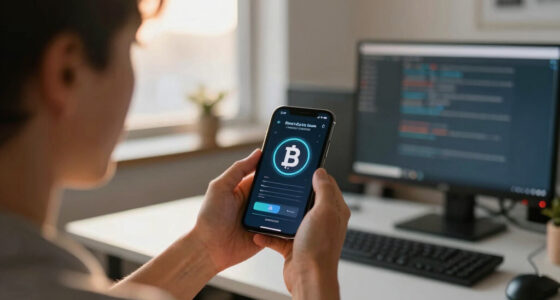
You might have noticed the growing tension between the IMF and El Salvador regarding Bitcoin's role in the economy. With the IMF urging a rethink of this digital currency strategy, significant changes could be on the horizon. Businesses no longer have to accept Bitcoin, and tax payments must be made in U.S. dollars. But what does this mean for the future of El Salvador's financial landscape? The implications could be far-reaching.

Get home office essentials delivered free — and shop member deals
- Fast, free delivery on millions of items
- Access to Prime Big Deal Days deals on October 6–7
- Prime Video, Amazon Music and more included
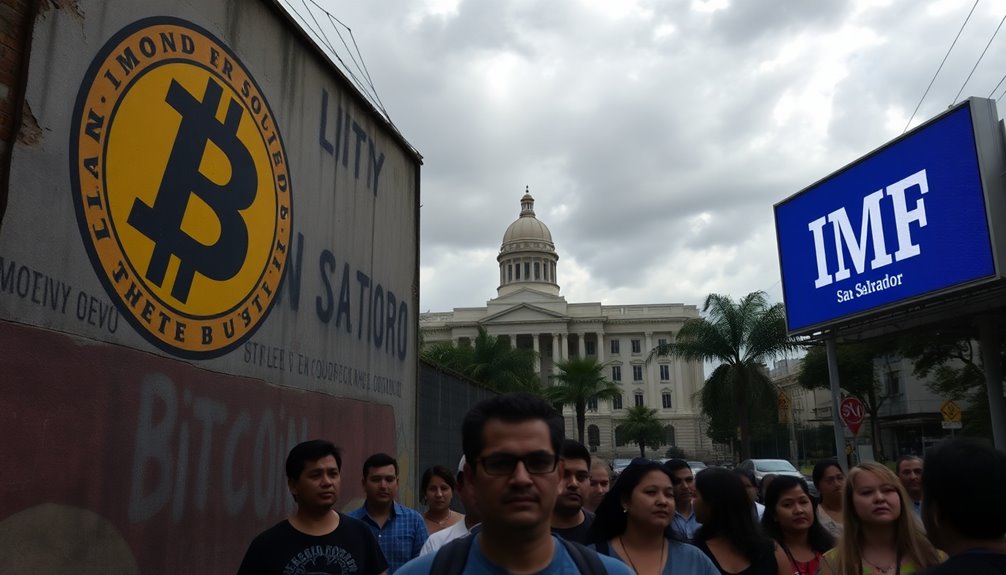
As the International Monetary Fund (IMF) raises concerns about the financial stability risks of Bitcoin, El Salvador finds itself at a crossroads. You've probably heard about how the country made headlines by adopting Bitcoin as legal tender, but now the IMF's pressure is reshaping its approach. With a $1.4 billion loan on the line, El Salvador must navigate the fine line between innovation and stability.
El Salvador faces pivotal changes as the IMF pressures the nation to rethink its Bitcoin adoption amid financial stability risks.
The IMF's worries center on the volatility of Bitcoin and its potential negative impact on the country's economy. They've recommended a stronger regulatory framework to mitigate these risks, which means you can expect the government to impose stricter guidelines on Bitcoin's use. For instance, businesses in El Salvador are no longer required to accept Bitcoin; that decision is now voluntary. This shift could help ease any anxiety among businesses and consumers who may feel uneasy about the cryptocurrency's fluctuating value. IMF's emphasis on regulatory framework further underscores the need for these changes.
Furthermore, the IMF has stipulated that tax payments must be made in U.S. dollars instead of Bitcoin. This requirement aims to protect the public sector from the unpredictable nature of cryptocurrencies. You might also notice changes to the government-backed Chivo wallet, which is being sold or wound down as part of the IMF deal. These measures signal a significant pivot away from the initial enthusiasm for Bitcoin.
The IMF's influence extends beyond immediate policy changes. They're urging El Salvador to limit public sector exposure to Bitcoin, which is crucial for preventing financial instability. By confining the public sector's role in Bitcoin transactions, the government can better manage risks and focus on broader economic reforms aimed at stabilizing its fiscal environment.
You should also keep an eye on how these changes affect El Salvador's credit ratings. Agencies like Moody's and Fitch have downgraded the country due to concerns surrounding Bitcoin adoption. The IMF loan agreement is part of a larger strategy to improve the nation's creditworthiness, with measures in place to reduce the debt-to-GDP ratio.
El Salvador's experience is becoming a case study for other nations considering cryptocurrency integration. The global reaction underscores the importance of regulatory caution, pushing countries to adopt a more voluntary approach to crypto. As you watch these developments unfold, it's clear that El Salvador's journey with Bitcoin will influence how other nations view the coexistence of digital currencies and fiat money in the future.
Top picks for "pressur salvador x2019"
As an affiliate, we earn on qualifying purchases.
Fall Picks
fall essentials
As an affiliate, we earn on qualifying purchases.