After the IMF agreement, you might wonder how Bitcoin's faring in El Salvador. Despite cautious integration, the cryptocurrency's resilience is evident, especially with the government's substantial holdings. But there are challenges, too. With public sector engagement still limited and taxes remaining in U.S. dollars, the situation remains complex. What's next for Bitcoin in this pioneering nation? The developments ahead could reshape the economic landscape significantly.

Get home office essentials delivered free — and shop member deals
- Fast, free delivery on millions of items
- Access to Prime Big Deal Days deals on October 6–7
- Prime Video, Amazon Music and more included
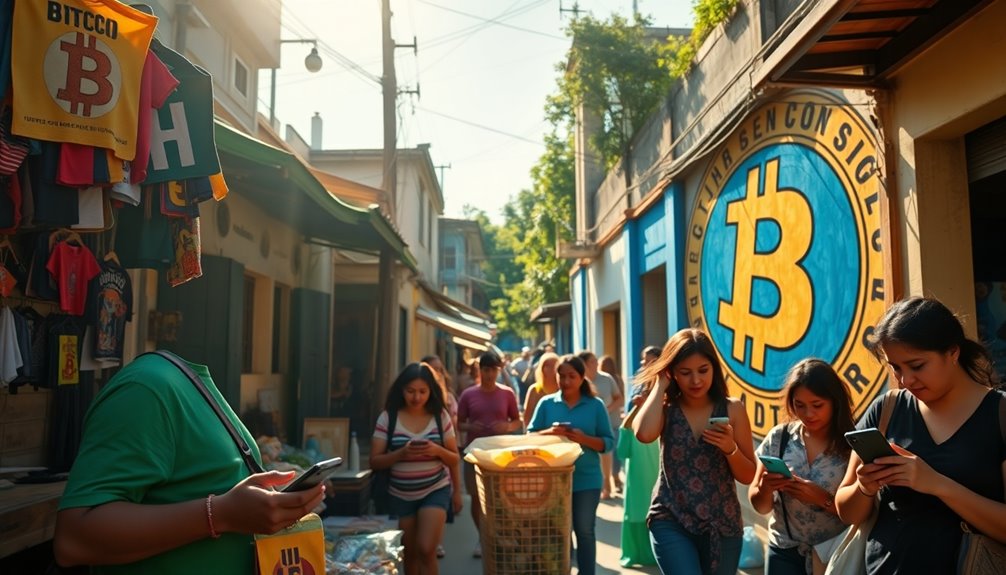
How has Bitcoin's adoption in El Salvador shaped the nation's economy? Since Bitcoin became legal tender in September 2021, you've seen a shift in how transactions and financial services operate in the country. Initially, the move brought a wave of excitement, with the government promoting Bitcoin through initiatives like the Chivo wallet.
However, after the IMF agreement, you now notice a change in the landscape. The private sector's use of Bitcoin is voluntary, which means businesses can choose whether to accept it or not, reducing the pressure for mandatory adoption.
With the Chivo wallet facing a possible shutdown or sale, you're likely relying more on private sector wallets. This shift reflects a broader trend where the government is stepping back, especially as taxes must still be paid in U.S. dollars. The public sector's engagement with Bitcoin is now limited, signaling a more cautious approach to its integration into everyday economic practices.
Despite these adjustments, the economic impact of Bitcoin remains significant. You might be aware that El Salvador holds about 6,068 BTC, valued at over $554 million. This investment appears to have positively influenced the nation's financial standing, improving credit ratings and lowering borrowing costs, particularly for U.S. dollar bonds. Additionally, the government has recently shown resilience in its commitment to Bitcoin, demonstrated by their purchase of 12 BTC amid a market dip.
As you consider the overall economy, it's essential to note that El Salvador's GDP was around $34 billion in 2023, with a substantial legacy debt of $28.8 billion looming over the nation.
Bitcoin has also played a role in remittances and tourism, even if traditional services still dominate these sectors. You might perceive this duality as both a challenge and an opportunity as the country navigates its economic future. The market's perception of El Salvador's Bitcoin involvement is generally optimistic, which is reflected in enhanced bond performance.
Looking ahead, you'll see that the government is committed to maintaining its Bitcoin strategy. The IMF loan of $1.4 billion has necessitated some policy adjustments, but plans for a Bitcoin-backed "volcano bond" and the establishment of "Bitcoin City" remain intact.
As you consider the global context, President Nayib Bukele believes that 2025 will be pivotal for Bitcoin, especially with potential shifts in U.S. policy. With Tether's move to set up offices in El Salvador, the country is positioning itself to capitalize on the growing cryptocurrency ecosystem.
Fall Picks
fall essentials
As an affiliate, we earn on qualifying purchases.