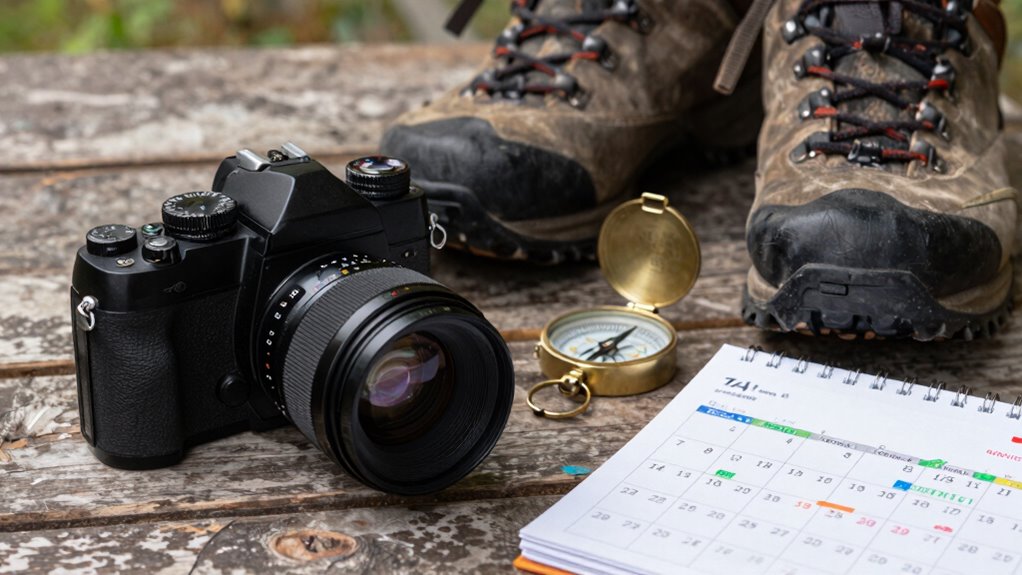

You need a maintenance calendar for your high-ticket gear to keep it performing well and lasting longer. Regular inspections, cleaning, and part replacements help prevent unexpected breakdowns and costly repairs. Staying organized guarantees you catch small issues early, save money, and maintain your equipment’s value. Proper record-keeping also supports warranties and future planning. Keep your gear in top shape—there’s more to learn about how a maintenance schedule can protect your investment.

Get home office essentials delivered free with Prime
- Fast, free delivery on millions of items
- Prime Video, Amazon Music and more included
- Member-only deals all year
Key Takeaways
- Regular maintenance prevents unexpected breakdowns, ensuring high performance and extending equipment lifespan.
- A maintenance calendar helps track routine tasks, avoiding costly repairs and operational disruptions.
- Consistent upkeep preserves the gear’s value, functionality, and brand reputation over time.
- Proper record-keeping supports warranty claims and demonstrates responsible ownership.
- Preventive measures through scheduled maintenance reduce long-term costs and enhance reliability.
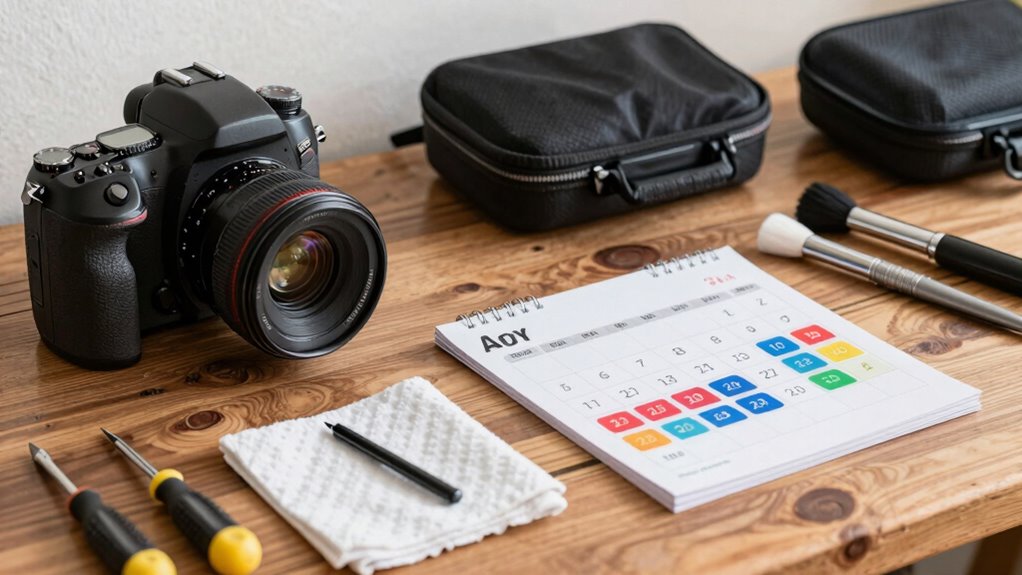
Maintaining high-ticket gear is essential to guarantee it performs at its best and lasts for years. When you invest in premium equipment, you’re not just paying for the initial purchase; you’re also committing to its ongoing care. A well-structured maintenance calendar helps you stay on top of routine tasks, preventing unexpected breakdowns and ensuring your gear remains reliable. This proactive approach directly contributes to brand longevity, reinforcing the reputation of your equipment and your commitment to quality. Additionally, consistent maintenance helps you achieve cost optimization by avoiding costly repairs or replacements down the line. It’s a smart way to stretch your investment and maximize the value of your gear over its lifespan.
Creating a maintenance schedule may seem like a hassle at first, but it’s a straightforward way to keep your equipment in peak condition. You’ll want to set reminders for regular inspections, cleaning, lubrication, and part replacements. By doing so, you catch small issues early before they escalate into major problems that could sideline your operations. Staying consistent with these routines not only preserves the functionality of your gear but also helps you identify patterns that might indicate underlying problems. This foresight saves you money, time, and frustration in the long run. When you follow a maintenance calendar, you’re actively extending the lifespan of your high-ticket gear, which enhances its brand longevity and your reputation as a responsible owner or operator. Preventive maintenance is a key component in avoiding costly repairs and ensuring reliable operation. Incorporating regular inspections into your schedule can further prevent unforeseen issues and extend your gear’s operational life. Regularly reviewing manufacturer guidelines and industry best practices can also help refine your maintenance approach and ensure compliance.
In addition to regular upkeep, documenting each maintenance task is crucial. Keeping detailed records allows you to monitor the health of your gear, plan future maintenance, and provide proof of proper care if warranty claims become necessary. These records can also help in evaluating whether your maintenance schedule is effective or needs adjustments. Recognizing the importance of preventive measures can help you stay ahead of potential issues before they impact performance. Remember, neglecting routine maintenance can lead to diminished performance, increased wear and tear, and ultimately, earlier replacement. This not only impacts your operational efficiency but also diminishes your overall cost efficiency, making it more expensive to keep your gear in service. Furthermore, following a comprehensive maintenance plan can help you stay compliant with manufacturer guidelines and prolong the equipment’s lifespan. Proper cleaning and sterilization of your gear, especially in environments where hygiene is critical, also play a vital role in maintaining its integrity and safety.
high-ticket gear maintenance calendar
As an affiliate, we earn on qualifying purchases.
As an affiliate, we earn on qualifying purchases.
Frequently Asked Questions
How Often Should High-Ticket Gear Be Professionally Inspected?
You should have your high-ticket gear professionally inspected at least once a year, or more frequently if you use it often or under challenging conditions. Follow safety protocols and expert recommendations to keep your gear in top shape. Regular inspections ensure safety, prevent costly repairs, and extend the gear’s lifespan. Always stay proactive, and don’t skip scheduled professional check-ups to maintain peak performance and safety.
What Signs Indicate My Gear Needs Immediate Maintenance?
You should seek immediate maintenance if your gear shows signs like inconsistent calibration or unexpected wear indicators. If calibration seems off, it can impact performance and safety, while visible wear indicators suggest parts are degrading. Don’t ignore any irregularities in calibration or sudden changes in how your gear responds. Addressing these issues promptly keeps your gear functioning correctly, prolongs its life, and guarantees your safety during use.
Are There Specific Tools Required for High-Ticket Gear Upkeep?
To keep your high-ticket gear in prime condition, you’ll need specific tools like precision screwdrivers, cleaning cloths, and lubricants. These tools help with accessory upgrades and proper maintenance. Using effective storage solutions, such as padded cases or wall mounts, prevents damage. Regularly inspecting and maintaining your gear guarantees longevity. With the right tools and storage strategies, you’ll simplify upkeep and maximize your gear’s performance, preventing costly repairs.
Can Maintenance Schedules Vary Between Different Types of Equipment?
Yes, maintenance schedules can vary between different types of equipment, depending on their equipment lifecycle and usage patterns. You should adjust your maintenance budgeting accordingly to account for these differences, ensuring each piece receives the appropriate care. Regularly reviewing and customizing schedules helps prevent costly repairs, extends the lifespan of your gear, and keeps operations running smoothly. Tailoring your approach maximizes efficiency and minimizes unexpected downtime.
How Do I Track Maintenance History Effectively?
You can effectively track maintenance history by using digital logs or software that record each service date, performed tasks, and parts replaced. Regularly update this information after every maintenance to extend your equipment’s lifespan and guarantee safety protocols are followed. Keep detailed records accessible for inspections or troubleshooting, helping you spot recurring issues early and sustain peak performance of your high-ticket gear.
equipment inspection and cleaning tools
As an affiliate, we earn on qualifying purchases.
As an affiliate, we earn on qualifying purchases.
Conclusion
Think of your high-ticket gear as a trusted companion, standing ready for your next adventure. Just like a well-tended engine, it thrives on regular check-ups, ready to roar to life when you need it most. A maintenance calendar keeps the unseen parts humming smoothly beneath the surface, so your gear doesn’t just sit idle but stays sharp and dependable. Keep it maintained, and it’ll be your loyal partner in every journey ahead.
As an affiliate, we earn on qualifying purchases.
maintenance record keeping software
As an affiliate, we earn on qualifying purchases.
As an affiliate, we earn on qualifying purchases.
Halloween Picks
halloween
As an affiliate, we earn on qualifying purchases.