
Precious metals like silver, platinum, and palladium are essential for the green energy shift, powering solar panels and electric vehicle components. Silver’s high conductivity improves solar efficiency and EV performance, but supply chain constraints and geopolitical risks threaten their availability. Policies and innovations aim to boost recycling and responsible sourcing. Understanding these dynamics will help you grasp how critical metals shape the future of sustainable energy technologies. Keep exploring to learn more about this evolving landscape.
Key Takeaways
- Silver is essential for solar panels and EV components due to its superior electrical conductivity and durability.
- Rising demand for green energy accelerates the need for silver, platinum, and palladium in solar and electric vehicle technologies.
- Supply chain constraints and geopolitical risks, notably China’s refining dominance, threaten critical metal availability.
- Recycling and sustainable sourcing are vital to address resource limitations and support circular economy goals.
- Technological innovations enhance metal efficiency in green tech, but rising raw material costs impact project economics.
The Growing Demand for Silver and Other Precious Metals in Solar Technologies

Have you noticed how crucial silver has become in advancing solar technology? Its unique electrical conductivity and durability make it essential in solar photovoltaic (PV) cells. In 2023, silver use in solar panels hit 193.5 million ounces, and it’s expected to rise to 232 million ounces in 2024. As solar capacity grows at nearly 17% annually, the demand for silver will surge, possibly reaching 273 million ounces by 2030—about 20% of total silver consumption. This increase reflects the expanding role of solar energy in the global shift toward renewables. The demand for silver isn’t just driven by solar; it’s also fueled by emerging technologies like flexible photovoltaics and advanced solar components. This rising need underscores silver’s essential function in powering the future of clean energy. Additionally, the development of innovative materials and creative problem-solving in solar tech can further optimize efficiency and resource utilization.
Silver’s Unique Role in Electric Vehicle Components
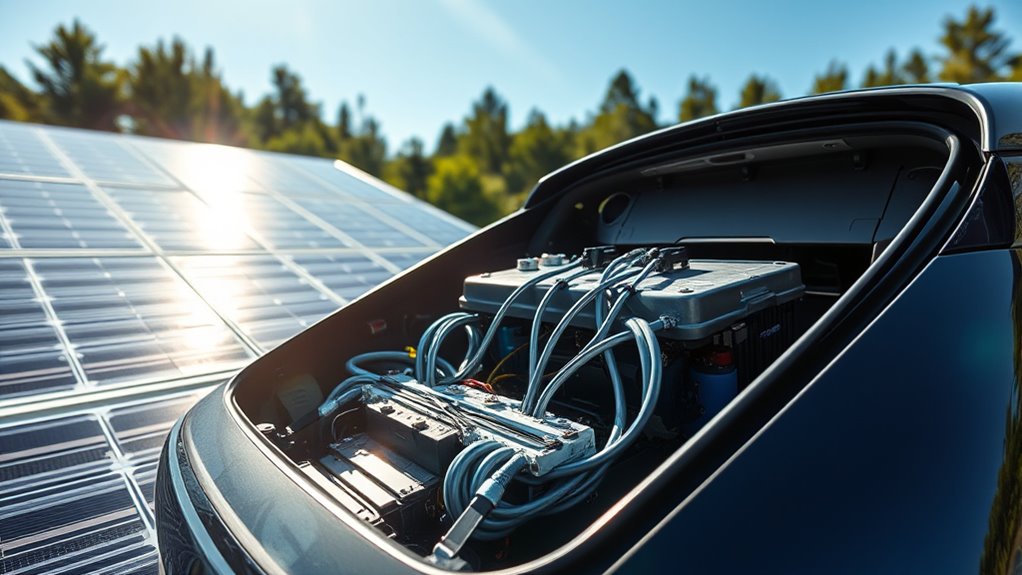
Silver plays a critical role in electric vehicle (EV) components because of its unparalleled electrical conductivity and durability. Its high efficiency helps improve the performance and longevity of key parts. You’ll find silver in:
Silver is essential for EV efficiency, durability, and faster charging through its unmatched electrical conductivity.
- Contact points and wiring in power controllers and battery connections, ensuring minimal energy loss
- Connectors and switches that require reliable, corrosion-resistant materials
- Charging ports and cables that benefit from silver’s excellent conductivity for faster charging
- Electromechanical components like sensors and potentiometers that rely on silver’s stability
Because of these properties, silver enhances EV efficiency and reliability. As EV adoption grows, so does the demand for silver in these critical components, making it essential for a sustainable *shift* to electric mobility.
Impact of Supply Chain Constraints on Precious Metal Availability
Supply chain constraints are increasingly limiting the availability of precious metals essential for green energy technologies, posing significant challenges for meeting rising demand. As demand for silver, platinum, palladium, and gold surges, supply struggles to keep pace due to limited mining capacity, long development timelines, and geopolitical factors. You’ll find that these constraints lead to shortages, driving up prices and impacting project timelines. Recycling efforts help, but they can’t fully bridge the gap. Additionally, rising raw material costs add inflationary pressures, making green energy solutions more expensive. You may also encounter export restrictions and trade tensions that further complicate sourcing. These supply chain issues threaten to hinder the scale-up of solar, EVs, and other clean energy technologies, forcing stakeholders to navigate a complex landscape of scarcity and rising costs. Furthermore, understanding the importance of spiritual energy in maintaining resilience and clarity can be vital for industry leaders facing these challenges.
How Policy and Regulation Shape Metal Markets for Clean Energy
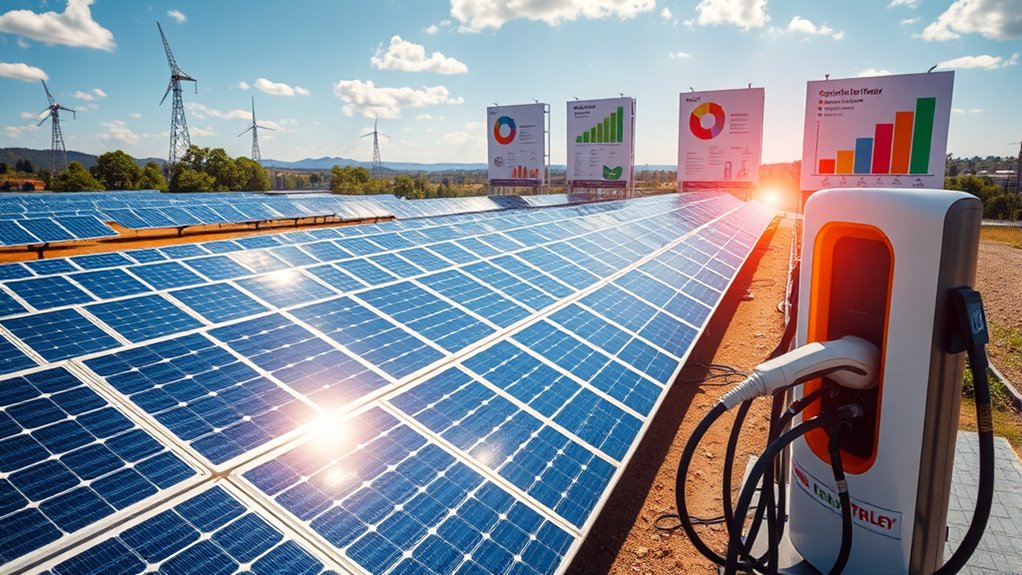
Policies and regulations play a pivotal role in shaping demand and supply for clean energy metals. They set targets, offer incentives, and establish standards that accelerate adoption while also influencing mining and recycling practices. Understanding these policy drivers helps you grasp how market dynamics for these critical materials evolve in the shift to green energy. Additionally, relationship dynamics between policymakers, industry stakeholders, and communities can significantly impact the effectiveness and implementation of these regulations.
Policy Drivers Accelerate Demand
Government policies and regulations play a essential role in shaping the demand for precious metals in the clean energy sector. They set targets, incentivize investments, and create standards that drive adoption of renewable technologies. For example:
- Renewable energy mandates like the EU’s 42.5% target by 2030 boost solar and wind projects, increasing metal demand.
- Incentives for electric vehicles accelerate adoption, raising the need for silver, platinum, and palladium.
- Critical minerals strategies push for stockpiling and supply chain resilience, impacting market dynamics.
- Environmental regulations influence mining and recycling efforts, shaping the availability of metals.
These policies directly influence market expectations, investment flows, and technological innovation, ultimately accelerating the demand for precious metals essential to clean energy advancements.
Regulations Influence Supply Chains
Regulations and policies directly shape the pathways through which metals for clean energy are mined, processed, and distributed. You’ll find that government mandates, environmental rules, and trade restrictions influence every stage of supply chains. For example, stricter environmental standards can delay or limit mining operations, reducing metal output. Trade tariffs and export controls can restrict access to key resources, creating bottlenecks. National strategies for critical minerals often prioritize stockpiling and recycling, impacting raw material availability. You may also see policies promoting domestic production to reduce dependency on foreign sources, which can reshape global supply networks. These regulations can increase costs, slow project timelines, and introduce market uncertainties, directly affecting prices and availability of metals essential for green energy technologies. Additionally, the influence of Pimple Patch technology in skincare products exemplifies how innovations can impact market dynamics and consumer demand, which is also subject to regulatory oversight.
Emerging Innovations Enhancing Metal Utilization in Green Technologies
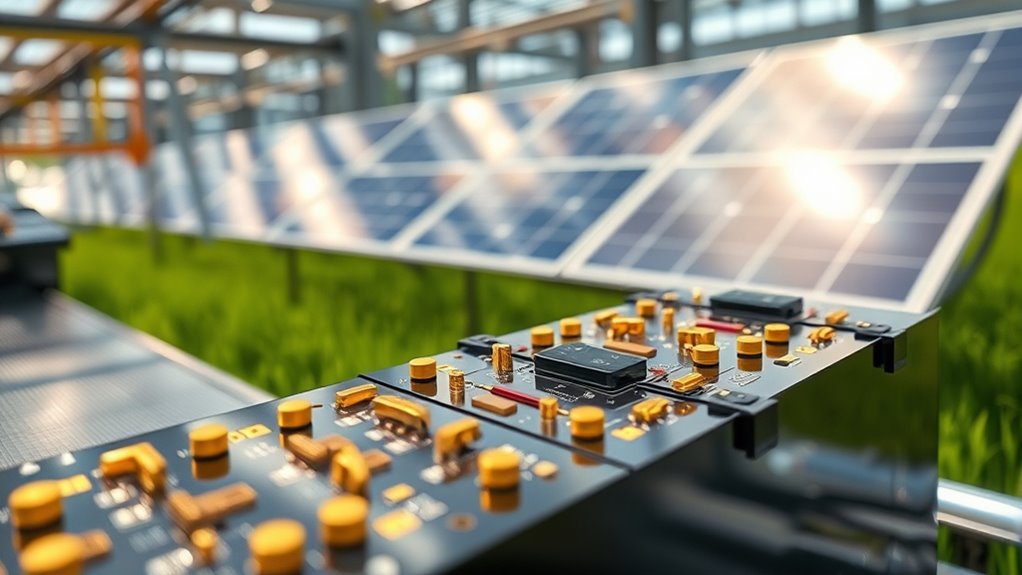
Emerging innovations are transforming how precious metals are utilized in green technologies, focusing on maximizing efficiency and reducing demand. You’re seeing new approaches that optimize metal use, ensuring fewer resources are needed. For example:
Innovative green tech minimizes precious metal use, boosting sustainability and resource efficiency.
- Silver is being integrated into solid-state batteries and flexible solar panels to enhance performance.
- Researchers develop silver catalysts for more efficient hydrogen electrolyzers, boosting clean fuel production.
- Advanced manufacturing techniques are reducing the amount of precious metals in catalytic converters and fuel cells without sacrificing effectiveness.
- IoT sensors, essential for environmental monitoring, increasingly rely on silver for durability and conductivity.
- Regular assessment and reorganization of metal applications in green tech can further improve resource management and sustainability.
These innovations help stretch limited metal supplies, improving sustainability and supporting the growth of green energy infrastructure. This focus on smarter utilization aims to meet rising demand efficiently.
The Geopolitical Landscape of Critical Mineral Supply and Demand

China controls a significant share of refining and processing for many critical minerals, giving it outsized influence over global supply chains. This dominance creates geopolitical risks, as disruptions or policy shifts could tighten supplies and drive up prices. You should consider how these tensions might shape the future of green energy development worldwide. Additionally, understanding the color accuracy of related technologies can influence the efficiency and sustainability of renewable energy equipment.
China’s Dominance in Refining
Although the global supply chain for critical minerals is increasingly complex, China’s control over refining processes gives it significant influence over the entire market. You must recognize that China handles a large share of refining for metals like silver, platinum, and rare earth elements essential to green technologies. This dominance means:
- Disruptions in China can cause worldwide shortages and price spikes
- Many countries depend on Chinese refining capacity for their supply chains
- China’s investments in refining infrastructure strengthen its market position
- Export restrictions or trade tensions could limit access to critical metals
This concentration heightens geopolitical risks, making global efforts to diversify refining sources essential. As demand for clean energy metals surges, China’s influence on refining remains a key factor shaping the future of supply, pricing, and market stability.
Geopolitical Risks and Tensions
The concentration of refining capacity in specific regions, particularly China, amplifies geopolitical risks surrounding critical minerals essential for green energy. If supply chains face disruptions—due to trade disputes, export restrictions, or diplomatic conflicts—you could see significant delays and price spikes in materials like silver, platinum, and rare earth elements. Countries heavily dependent on imports may feel vulnerable, prompting efforts to diversify sources or boost domestic mining. However, geopolitical tensions can hinder these initiatives, complicating global cooperation. Additionally, competition for access to resources may escalate, fueling international tensions and trade barriers. As the energy transition accelerates, understanding these geopolitical risks helps you grasp the potential for supply shortages, inflation, and shifting global power dynamics that could impact the affordability and stability of green technologies. Furthermore, critical mineral supply chains are vulnerable to geopolitical instability, which may lead to increased prices and supply constraints.
The Intersection of Mining, Recycling, and Sustainability Goals
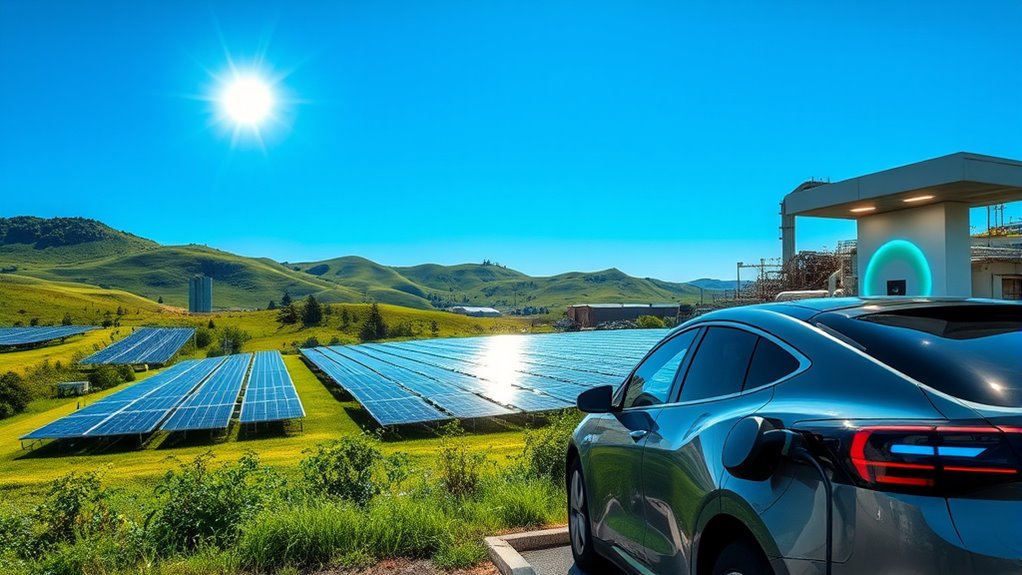
Balancing mining expansion with recycling efforts is essential for meeting sustainability goals in the green energy shift. You need to recognize that mining can cause environmental harm, while recycling reduces waste and conserves resources. To succeed, focus on:
- Improving recycling technologies to recover precious metals efficiently
- Developing policies that incentivize metal reuse and circular economy practices
- Investing in innovative methods to extract metals from e-waste and end-of-life products
- Promoting global collaboration to enhance supply chain resilience and reduce reliance on new mining
- Incorporating advanced processing techniques can further optimize metal recovery and minimize environmental impact.
This approach helps address supply shortages, curbs environmental impacts, and aligns with sustainability targets. Combining responsible mining with robust recycling creates a more sustainable, resilient, and ethically sound foundation for the transition to clean energy.
The Economic Implications of Rising Metal Prices in the Green Transition

Rising metal prices driven by surging demand in the green energy sector can considerably impact economies worldwide. As metal costs climb, manufacturing expenses for solar panels, EVs, and energy infrastructure increase, potentially raising consumer prices and slowing adoption. Governments may face higher costs for renewable projects, stretching budgets and delaying climate goals. Inflationary pressures from elevated raw material prices can ripple through economies, affecting inflation rates and monetary policies. Industries reliant on these metals might experience profit squeeze or seek alternatives, possibly hindering technological progress. Additionally, higher prices could strain supply chains, lead to market volatility, and incentivize speculative activities. Cost and Budgeting considerations are crucial for planning large-scale green infrastructure projects. Overall, escalating metal prices pose economic challenges that require strategic management to balance green ambitions with financial stability.
Strategic Considerations for Investors and Industry Stakeholders
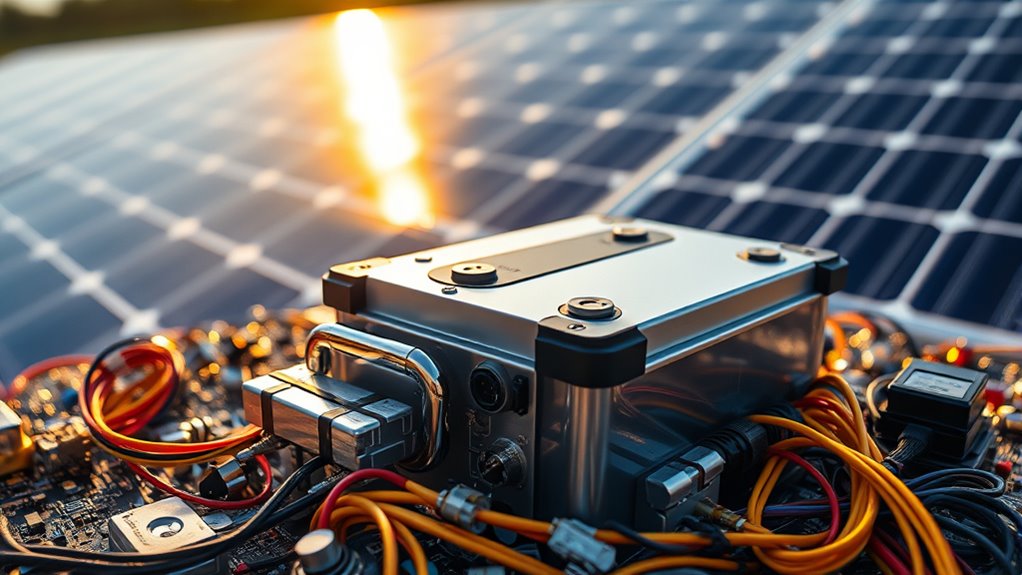
Investors and industry stakeholders must carefully navigate the evolving landscape shaped by surging demand and limited supply of critical metals. To stay ahead, you should consider the following:
- Diversifying supply sources and investing in recycling to reduce dependency on limited mining outputs
- Monitoring policy changes and international trade tensions that can impact availability and prices
- Prioritizing technological innovation to optimize precious metal use and improve efficiency
- Evaluating long-term demand projections, especially for silver, platinum, and gold, to inform strategic stockpiling and investments
Balancing these factors helps mitigate market volatility and secures supply chains. Staying informed on emerging technologies and policy shifts allows you to adapt quickly, ensuring profitability and sustainability amid growing competition.
Frequently Asked Questions
How Will Technological Advancements Impact Precious Metal Demand in Green Energy?
Your technological advancements will likely increase demand for precious metals by making green energy systems more efficient and innovative. As new applications like solid-state batteries, flexible photovoltaics, and advanced electrolyzers emerge, you’ll see a higher need for metals like silver, gold, platinum, and palladium. These innovations push the boundaries of current tech, requiring more metals to improve performance, which could lead to supply shortages and higher prices if supply doesn’t keep pace.
What Are the Environmental Impacts of Increased Mining for Critical Minerals?
You may face environmental impacts from increased mining, such as habitat destruction, water pollution, and higher carbon emissions. Mining operations often disrupt ecosystems and deplete local resources, affecting communities and biodiversity. As demand rises, you’ll need to take into account sustainable practices and recycling efforts to reduce these impacts. Balancing resource extraction with environmental protection is essential to guarantee the green energy transition remains eco-friendly and socially responsible.
How Might Geopolitical Tensions Disrupt Global Supply Chains for These Metals?
You might find supply chains become tangled like a web when geopolitical tensions flare. Countries could impose tariffs, export bans, or restrict access to crucial metals, blocking your access to essential materials. As nations vie for dominance over these resources, disruptions could cause delays, price spikes, and shortages. These conflicts threaten the steady flow of critical metals, making it harder for you to meet renewable energy goals and stay ahead in the green progression.
What Role Does Recycling Play in Meeting Future Metal Demand?
Recycling plays a vital role in meeting future metal demand by reducing reliance on mining, which faces supply constraints and environmental challenges. You can support this by advocating for improved recycling technologies and policies that prioritize recovering precious metals from end-of-life products like solar panels, EVs, and electronics. Recycling helps stabilize supply, lower costs, and diminish geopolitical risks, making the shift to clean energy more sustainable and resilient.
How Can Investors Effectively Hedge Against Metal Price Volatility?
You can hedge against metal price swings by diversifying your investments, using futures contracts, or ETFs that track metal prices. Think of it as putting on a financial seatbelt—just in case the market gets bumpy. Wise investors also monitor supply-demand shifts and geopolitical risks, adjusting their positions accordingly. Remember, in the world of commodities, riding out the storm often beats trying to predict the unpredictable.
Conclusion
As you navigate the green energy shift, remember that over 90% of solar panels rely on silver, making it a cornerstone of the revolution. With demand predicted to double in the next decade, supply constraints could challenge your investments and projects. Staying informed on policy changes, innovative recycling methods, and geopolitical shifts will help you capitalize on opportunities and mitigate risks in this rapidly evolving market. The future of clean energy depends on your strategic awareness.