
Futures positioning reveals short-term metals risk by showing how traders are leaning—heavy long positions suggest optimism, while many shorts indicate bearish expectations. Crowded trades signal potential reversals, especially if the market shifts suddenly. Liquidity levels also matter; low liquidity can cause sharp price swings. By understanding these signals, you can better anticipate volatility and adjust your strategies accordingly. If you continue exploring, you’ll uncover even deeper insights into managing metals market risks.

Get home office essentials delivered free — and shop member deals
- Fast, free delivery on millions of items
- Access to Prime Big Deal Days deals on October 6–7
- Prime Video, Amazon Music and more included
Key Takeaways
- Extreme futures positioning indicates potential for rapid price reversals due to crowded trades.
- Shifts from long to short or vice versa signal changing market sentiment and emerging risks.
- Low liquidity during crowded trades can amplify volatility and sudden metal price swings.
- High long or short concentrations suggest increased vulnerability to abrupt market corrections.
- Monitoring trader positioning helps anticipate short-term market stress and adjust risk management accordingly.
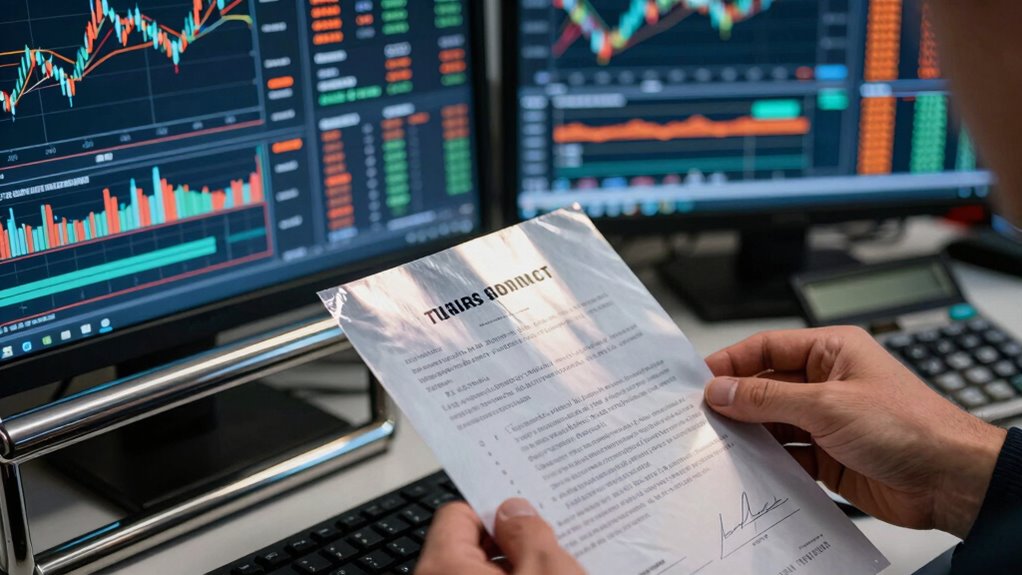
Understanding futures positioning is essential for managing short-term risks in metals trading. When you analyze futures data, you’re gaining insight into how market participants are positioning themselves, which directly reflects current market sentiment. If traders are heavily long on a metal, it might indicate optimism about future price increases, but it can also signal potential vulnerability if sentiment shifts suddenly. Conversely, a predominance of short positions suggests bearish expectations, but it could also point to traders hedging against downside risk. Recognizing these patterns helps you anticipate possible price movements, especially during volatile periods. Additionally, tracking market positioning data can reveal shifts in trader behavior before they become apparent in price action.
Market sentiment is a powerful indicator of upcoming short-term trends. When futures positioning reveals a crowded trade—whether long or short—it signals that many traders share similar expectations. This collective behavior can lead to rapid price swings if the sentiment changes unexpectedly. For instance, if a significant number of traders suddenly unwind their long positions, prices could drop swiftly, catching unprepared traders off guard. Conversely, a shift toward more bullish futures positioning might trigger a rally. By keeping a close eye on these shifts, you can better gauge the risk of abrupt market moves. Recognizing market crowding is particularly useful for anticipating sudden reversals.
Liquidity fluctuations are another critical aspect that futures positioning unveils. When the market experiences high liquidity, it’s easier to enter and exit positions without causing excessive price impact. However, during periods of low liquidity, even small trades can lead to significant price swings. Futures data can reveal when liquidity is drying up, often coinciding with extreme positioning or market stress. Recognizing these moments allows you to adjust your trading strategy—either by reducing exposure or by preparing for heightened volatility. For example, if futures positioning shows a large concentration of positions during a period of thinning liquidity, it signals that a sudden reversal could lead to exaggerated price moves, increasing your risk.
In short, futures positioning isn’t just about where traders stand; it provides vital clues about the underlying market sentiment and liquidity conditions. By interpreting these signals carefully, you can better anticipate short-term risks and adapt your trading approach accordingly. Whether it’s recognizing the signs of a crowded trade, understanding when liquidity is thinning, or gauging market momentum, futures data equips you with the insights needed to navigate the unpredictable waters of metals trading more effectively.
As an affiliate, we earn on qualifying purchases.
Frequently Asked Questions
How Do Futures Positions Influence Actual Metal Prices?
Futures positions influence actual metal prices through hedging strategies and market sentiment. When traders take large long or short positions, it signals their expectations, affecting market sentiment. This can lead to price shifts as other traders react, either reinforcing or countering the trend. Your awareness of these positions helps you anticipate short-term price movements, understanding that changes in futures can directly impact the physical metal market, especially when hedging strategies are involved.
What Are the Main Factors Driving Short-Term Metals Risk?
You face short-term metals risk mainly driven by market liquidity and price volatility. When liquidity drops, it becomes harder to buy or sell metals without impacting prices, increasing risk. High price volatility means prices fluctuate unpredictably, amplifying potential gains or losses. These factors interact, making it essential to monitor market conditions closely, especially for traders and investors aiming to mitigate risk in volatile metals markets.
Can Futures Data Predict Sudden Market Crashes?
Sure, futures data can try to predict crashes, but don’t rely on it solely. Ironically, market sentiment often shifts suddenly, making futures positions a shaky crystal ball. While they reveal traders’ hedging strategies and overall risk appetite, they can’t foresee every flash crash or sudden plunge. Stay cautious, because even the most sophisticated futures analysis can’t always anticipate the next market upheaval, especially when emotions override logic.
How Do Geopolitical Events Impact Metals Futures?
Geopolitical tensions often cause supply disruptions, which can lead to sharp price swings in metals futures. When tensions rise, you might see increased speculative activity as traders hedge against potential shortages or market instability. These events can cause quick shifts in futures positioning, signaling heightened short-term risk. Staying alert to geopolitical developments helps you anticipate market reactions, enabling better decision-making and risk management in the volatile metals market.
What Role Do Speculative Traders Play in Metals Markets?
Imagine a lively dance floor where speculative traders lead with energetic moves, shaping market sentiment with their bold steps. They often act on intuition, influencing metal futures through their trader behavior. As they buy or sell, they create ripples that sway prices short-term. Their actions can amplify market volatility, making metals markets more dynamic and unpredictable. Your awareness of these speculative influences helps you better navigate potential risks.
As an affiliate, we earn on qualifying purchases.
Conclusion
By analyzing futures positioning, you gain valuable insights into short-term metals risk, helping you make more informed trading decisions. While some may argue that futures data isn’t always reliable due to market noise, it still offers a timely snapshot of market sentiment. Embracing this tool can enhance your risk management approach, provided you combine it with other indicators. Ultimately, understanding futures positioning empowers you to navigate metals markets with greater confidence and agility.
As an affiliate, we earn on qualifying purchases.
futures market sentiment indicator
As an affiliate, we earn on qualifying purchases.
As an affiliate, we earn on qualifying purchases.
Fall Picks
fall essentials
As an affiliate, we earn on qualifying purchases.