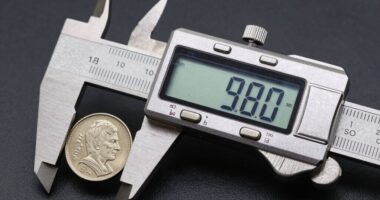
When selecting platinum bullion coins, the American Platinum Eagle stands out as the best overall choice due to its high liquidity and .9995 purity. For those seeking smaller entry points, the British Platinum Britannia offers a flexible 1/10 oz option, while the Chinese Panda appeals to collectors with its changing annual designs. The primary tradeoff in this category is between the widespread recognition of government-minted bars and the numismatic premium attached to graded or limited-edition issues. I have analyzed these seven options to help you balance investment liquidity against aesthetic appeal and storage costs.

Get home office essentials delivered free with Prime
- Fast, free delivery on millions of items
- Prime Video, Amazon Music and more included
- Member-only deals all year
Key Takeaways
- The American Platinum Eagle offers the highest liquidity among platinum coins, making it the safest bet for quick resale.
- PCGS MS70 graded coins carry a premium over raw bullion, which may not be recovered upon sale unless the buyer values the grade.
- Smaller denominations like the 1/10 oz Britannia have higher premiums over spot price compared to 1 oz coins.
- The Chinese Panda is unique for its annual design changes, attracting collectors but potentially complicating bulk accumulation.
- Random year coins often trade at lower premiums, offering a cost-effective way to accumulate weight without design chasing.


| platinum bullion coin | Year | Denomination | Weight | Diameter |
|---|---|---|---|---|
| 2022 30 Yuan Chinese Panda 1 G | 2022 | 30 Yuan | 1 gram | — |
| American Platinum Eagle $100 1 | Random year, 1997–2014 | — | 1 oz | — |
| American Platinum Eagle $100 C | Varies | — | — | — |
| 2020 South African Platinum Bi | 2020 | 20 Rand | — | 32.7 millimeters |
| 2016 1 oz American Platinum Ea | 2016 | $100 | 1 oz | 32 mm |
| 2025 1/10 oz British Platinum | 2025 | £10 | 2.86 g (0.1 oz troy) | 16.45 mm |
| 1/10 oz American Platinum Eagl | Random (1997–2008) | $10 | 2.86 g | 16.5 mm |
More Details on Our Top Picks
2022 30 Yuan Chinese Panda 1 Gram Pure Platinum Coin (.999 Purity)
This coin stands out for its intricate artwork and cultural significance, marking the 40th anniversary of the Panda series. Unlike the standard American Platinum Eagle, which prioritizes weight and uniformity, this 1-gram piece emphasizes design complexity. The .999 purity ensures intrinsic metal value, but the small weight means the premium over spot price is higher per gram compared to larger bullion. It is ideal for those who value the annual changing reverse designs over raw accumulation. However, if your primary goal is cost-effective metal acquisition, this small format is less efficient than the 1-ounce options in this roundup.Pros:- Commemorates the 40th anniversary of a iconic series
- High .999 platinum purity provides clear intrinsic value
- Detailed, annually changing panda artwork appeals to collectors
Cons:- Very small 1-gram size limits perceived value for bulk buyers
- Higher premium percentage compared to larger 1-oz coins
Best for: Numismatists and gift-givers who prioritize artistic merit and commemorative significance over bulk metal weight.
Not ideal for: Investors focused on minimizing premiums and maximizing total platinum ounces for the budget.
- Year:2022
- Denomination:30 Yuan
- Weight:1 gram
- Purity:.999
- Metal:Platinum
- Anniversary:40th
- Country of Issue:People’s Republic of China
Our verdict“A perfect entry point for collectors who appreciate fine artistry in a compact, affordable platinum package.”
American Platinum Eagle $100 1 oz Proof Coin, Random Year
This option distinguishes itself with proof finish quality and official U.S. Mint packaging, offering a superior tactile experience compared to the standard bullion versions. The .9995 fine platinum content matches the bullion coins, but the proof strike adds significant aesthetic value. Unlike the 2022 Chinese Panda, which focuses on artistic narrative, this coin highlights the technical perfection of the U.S. Mint’s proof process. The main tradeoff is the random year selection, which frustrates collectors aiming for specific dates. It is best for those who want a single, high-quality showcase piece rather than a diversified set of dates.Pros:- Includes genuine U.S. Mint proof box and certificate
- High .9995 fineness ensures top-tier metal content
- Proof finish offers superior visual contrast and detail
Cons:- Year is selected at random from 1997–2014
- Proof premiums are higher than standard bullion coins
Best for: Collectors who value presentation boxes and certificates of authenticity over specific year targeting.
Not ideal for: Date-specific collectors who need a particular year for their collection set.
- Face value:$100
- Weight:1 oz
- Metal:Platinum
- Fineness:.9995
- Form:Round
- Finish:Proof
- Year:Random year, 1997–2014
- Included:U.S. Mint proof box and certificate of authenticity
Our verdict“A refined choice for those who prioritize packaging and finish quality over date control.”
American Platinum Eagle $100 Coin, 1 oz, .9995 Fine Platinum
This coin is the most straightforward option for pure metal accumulation, lacking the proof premiums of the American Platinum Eagle Proof or the artistic premiums of the Chinese Panda. It offers 1 oz of .9995 platinum with minimal markup above spot price. The varying years mean you might receive a common date, which reduces collectible rarity but keeps costs low. For investors who care only about weight and liquidity, this is the most efficient choice. It sacrifices the “wow factor” of proof or graded coins for cost efficiency and ease of resale based on metal content alone.Pros:- Contains full 1 oz of high-purity platinum
- Minimal premium over spot price compared to proof coins
- High liquidity due to standard U.S. Mint recognition
Cons:- Specific year of issue varies randomly
- Lacks the visual appeal of proof or graded alternatives
Best for: Investors focused on acquiring the maximum amount of platinum per dollar spent.
Not ideal for: Collectors seeking specific dates, proof finishes, or third-party grading.
- Metal type:Platinum
- Precious metal weight:1 oz
- Fineness:.9995
- Form factor:Round
- Number of items:1
- Year:Varies
Our verdict“The go-to choice for pragmatic investors who want raw platinum without paying for presentation.”
2020 South African Platinum Big Five Elephant 20 Rand Coin, PCGS MS70
This coin stands out for its PCGS MS70 grade and First Day of Issue (FDI) status, offering guaranteed top-tier condition. Unlike the 2016 American Platinum Eagle, which is also graded MS70, this South African issue features a unique Big Five elephant design that appeals to wildlife enthusiasts. The 32.7mm diameter provides a substantial physical presence. However, the certification number may differ from the listing image, requiring trust in the seller’s inventory management. It is a strong pick for those who want a visually distinct, professionally certified coin that stands apart from standard American issues.Pros:- PCGS MS70 grade ensures flawless condition
- First Day of Issue label adds collectible scarcity
- Distinctive Big Five elephant design differentiates it from U.S. coins
Cons:- Certification number may differ from the listed example
- Lower recognition among general U.S. bullion buyers compared to Eagles
Best for: Collectors who demand third-party grading guarantees and prefer international designs like the Big Five series.
Not ideal for: Buyers who require the exact coin pictured or prefer U.S. Mint products exclusively.
- Year:2020
- Denomination:20 Rand
- Composition:Platinum
- Grade:MS70
- Grading Service:PCGS
- Release:First Day of Issue
- Label:Flag Label
- Diameter:32.7 millimeters
- Series:Big Five
Our verdict“A visually striking, professionally certified option for collectors who value unique international designs.”
2016 1 oz American Platinum Eagle $100 PCGS MS70 First Strike
This 2016 issue combines the U.S. Mint’s prestige with a PCGS MS70 First Strike designation, making it highly desirable for American bullion collectors. Compared to the South African Big Five Elephant, this coin offers greater familiarity and liquidity in the U.S. market. The flawless surfaces and sharp strike details justify the premium over the ungraded American Platinum Eagle bullion coin. However, the limited availability of this specific year and grade can make acquisition challenging and expensive. It is the pinnacle for those who want a certified, first-year strike of a major U.S. series.Pros:- PCGS MS70 grade guarantees perfect condition
- First Strike designation adds rarity and provenance
- High .9995 purity ensures strong intrinsic metal value
Cons:- Limited availability can lead to higher premiums
- Specific 2016 date may not appeal to all collectors
Best for: Serious investors and collectors who prioritize U.S. Mint history and top-tier third-party certification.
Not ideal for: Budget-conscious buyers or those who do not value specific year or strike designations.
- Year:2016
- Metal:Platinum
- Purity:99.95%
- Weight:1 oz
- Diameter:32 mm
- Denomination:$100
- Grade:MS70 (PCGS)
- First Strike:Yes
Our verdict“The ultimate choice for U.S.-centric collectors seeking a certified, flawless First Strike platinum coin.”
2025 1/10 oz British Platinum Britannia Coin £10
This coin stands out for buyers who prioritize modern minting technology and current-year recognition. Unlike the older vintage options in this list, the 2025 Britannia benefits from the Royal Mint’s latest security features and crisp design details. The .9995 purity matches industry standards, but the inclusion of a Certificate of Authenticity adds a layer of security often missing in bulk bullion purchases. Compared to the American Platinum Eagle in this lineup, the Britannia offers a fresh mint state that appeals to those who dislike the uncertainty of random-year coins. However, the 1 mm thickness makes it slightly bulkier than some competitors, which might affect storage efficiency for large collections.
Pros:- Features current-year minting with enhanced security details
- Includes a Certificate of Authenticity for added peace of mind
- High .9995 platinum purity ensures standard global recognition
Cons:- Slightly higher thickness compared to other fractional coins
- Premium may be higher than older vintage issues due to current release status
Best for: Collectors and investors who want a current-year coin with modern security features and guaranteed authenticity documentation.
Not ideal for: Budget-conscious buyers seeking the lowest possible premium over spot price, as new releases often carry higher premiums than older stock.
- Year:2025
- Denomination:£10
- Metal Purity:.9995 Fine Platinum
- Weight:2.86 g (0.1 oz troy)
- Diameter:16.45 mm
- Thickness:1 mm
- Mint:The Royal Mint
- Condition:Brilliant Uncirculated
- Documentation:Certificate of Authenticity Included
Our verdict“Choose this if you value a fresh, secure, and documented platinum coin over potential savings on older stock.”
1/10 oz American Platinum Eagle Coin, Random Year 1997–2008, $10 Denomination
This option is ideal for buyers who care more about metal content than specific dates. The random year selection between 1997 and 2008 typically lowers the premium compared to current-year issues like the 2025 British Platinum Britannia. Because these coins are older, they have had time to circulate in the secondary market, often resulting in tighter spreads. The United States Mint pedigree provides strong brand recognition in North America. However, the lack of date control means you cannot build a specific year set, which frustrates numismatists. Additionally, some coins may show minor handling marks despite the Brilliant Uncirculated description, unlike the pristine finish of newer releases.
Pros:- Lower premium due to random year and older issue dates
- Official United States Mint pedigree for strong US recognition
- Contains standard 1/10 oz troy weight of .9995 platinum
Cons:- No control over the specific year of the coin received
- Potential for minor surface marks due to older age and handling
Best for: Investors focused on acquiring platinum at a lower premium who do not mind receiving a random vintage year.
Not ideal for: Numismatists or gift-givers who require a specific year or flawless, untouched surface conditions.
- Year:Random (1997–2008)
- Denomination:$10
- Metal Content:1/10 troy oz Platinum
- Purity:99.95% Fine
- Diameter:16.5 mm
- Weight:2.86 g
- Manufacturer:United States Mint
- Condition:Brilliant Uncirculated
- Documentation:Certificate of Authenticity Included
Our verdict“This is the smart choice for cost-effective platinum accumulation if you prioritize metal weight over date specificity.”

How We Picked
I evaluated these platinum bullion coins based on three core criteria: liquidity, purity, and premium over spot. Liquidity refers to how easily a coin can be bought or sold; government-minted coins like the American Eagle and Canadian Maple Leaf (though not listed here, the Eagle is its peer) generally command higher demand than private mints or less recognized sovereign issues. Purity standards matter because .9995 fine platinum, found in the American Eagle, is slightly higher than the .999 standard seen in many other bullion products, offering a marginal quality assurance to discerning buyers.
I also weighed the premium over spot price to determine value. Coins with lower premiums, such as random-year issues or standard bullion strikes, provide better value for pure investment purposes. Conversely, graded coins like the PCGS MS70 models offer aesthetic assurance and numismatic potential but come with higher upfront costs. This ranking prioritizes coins that offer the best balance of recognized value, ease of transaction, and cost efficiency for the average buyer.
Factors to Consider When Choosing Platinum Bullion Coins
Choosing the right platinum coin requires looking beyond the metal content to understand market dynamics and storage implications.Understanding Liquidity and Market Demand
Liquidity is the single most important factor for most bullion buyers. American Platinum Eagles are widely recognized by dealers globally, ensuring you can sell them quickly without hunting for a specific buyer. In contrast, coins like the Chinese Panda or the South African Big Five may require more effort to resell, as their demand is often limited to specific collector niches. If your goal is to hold metal as a hedge against inflation, prioritize coins with high trading volume. Skipping the most liquid options can lead to wider bid-ask spreads, effectively costing you money every time you trade.
The Cost of Fractional Ownership
Buying fractional coins like the 1/10 oz Britannia or 1/10 oz Eagle allows for easier entry, but you pay a higher premium over the spot price of platinum. This premium covers the minting and distribution costs, which are proportionally higher for smaller coins. For long-term accumulation, buying full 1 oz coins is more cost-efficient per gram. However, fractional coins offer greater flexibility for selling small amounts of cash without liquidating a large position. Assess your need for liquidity versus cost efficiency before choosing a denomination.
Graded vs. Raw Bullion Coins
Coins encapsulated by third-party graders like PCGS MS70 command a premium because they guarantee the coin’s condition. This is valuable if you are buying for collection or resale to other collectors who demand perfection. However, if you are buying strictly for the metal content, paying extra for a grade is often unnecessary. Raw bullion coins are functionally identical in metal weight and purity. The market rarely pays a significant premium for a raw coin that is in near-perfect condition, so buying graded coins is only a good investment if you plan to sell them as numismatic items, not just as metal.
Purity Standards and Mint Reputation
Most sovereign bullion coins adhere to .999 or .9995 purity standards. The American Platinum Eagle is minted at .9995, which is slightly purer than the .999 standard of the Chinese Panda or Britannia. While this difference is negligible for industrial use, it signals a higher standard of refinement to investors. Additionally, the reputation of the mint plays a role in trust. Coins from established mints like the US Mint or Royal Mint carry implicit trust, reducing the risk of counterfeits compared to less regulated sources. Always verify the source of your coin to avoid fake products.
Storage and Insurance Considerations
Platinum is denser than silver, meaning a 1 oz platinum coin is physically smaller but heavier than a 1 oz silver coin. This density makes platinum more expensive to store per dollar of value if you are using bank vaults charged by weight. However, its high value-to-weight ratio makes it easier to transport discreetly. When choosing between bulk 1 oz coins and smaller fractions, consider your storage setup. A large collection of 1 oz coins takes up less physical space than an equivalent value in silver, but the risk of theft is concentrated. Proper insurance and secure storage are non-negotiable for platinum holdings.
Frequently Asked Questions
Why is platinum more expensive to buy than silver if both are precious metals?
Platinum is significantly rarer than silver, with global annual production being a fraction of silver’s output. This scarcity drives the spot price higher. Additionally, the mining and refining processes for platinum are more complex and energy-intensive, adding to the base cost. Unlike silver, which has massive industrial demand for electronics and solar panels, platinum’s demand is split between industrial catalytic converters and jewelry/investment, creating a different volatility profile. When you buy platinum bullion, you are paying for a scarcer asset with a higher barrier to entry.
Do I need to pay sales tax on platinum bullion coins?
Tax laws vary by jurisdiction, but in many parts of the United States, platinum bullion is exempt from sales tax if it meets certain purity and recognition standards, similar to gold. However, this is not universal; some states tax all precious metals. You must check your local laws before purchasing. In other countries, VAT or GST may apply to investment-grade metals. Always ask your dealer for a tax exemption certificate if your local jurisdiction allows it, as this can save a significant amount on large purchases.
Is it better to buy platinum coins or bars for investment?
Coins generally carry higher premiums over spot price than bars because of their legal tender status and higher minting costs. However, coins are more liquid and easier to sell in smaller increments. Bars are more cost-efficient for large accumulations but can be harder to sell quickly in smaller denominations. For most individual investors, coins offer a better balance of liquidity and security, as their intricate designs make them harder to counterfeit than simple bars. If you are buying a large quantity for long-term holding, bars might save you money on premiums.
What is the difference between proof and bullion strikes?
Bullion strikes are produced for mass distribution, prioritizing speed and volume, which can leave minor imperfections. Proof strikes are made with specially prepared dies and planchets, resulting in a mirror-like finish and sharp details. Proofs are more expensive and intended for collectors. For pure investment, bullion strikes are sufficient because their value is tied to the metal content, not the aesthetic finish. Buying a proof coin for investment purposes usually means you are paying a premium that may not be recovered when selling to a bullion dealer.
How do I verify the authenticity of a platinum coin?
Authentic platinum coins have specific weight, diameter, and thickness specifications. You can verify these with a precision scale and calipers. Additionally, platinum has a unique magnetic response; it is paramagnetic, meaning it is weakly attracted to magnets, unlike silver or gold which are diamagnetic. For high-value purchases, buying from reputable dealers who offer buy-back guarantees is the best protection. If you are buying a graded coin, the slab’s security features and online verification tools provided by the grading service (like PCGS or NGC) are the most reliable methods of authentication.
Conclusion
For the majority of investors, the American Platinum Eagle remains the best overall choice due to its unmatched liquidity and high purity. If you are looking for the best value entry point, the random year 1/10 oz American Eagle offers low premiums and easy accumulation. For those who prioritize aesthetics and collectibility, the PCGS MS70 South African Big Five or the Chinese Panda provide distinct designs that appeal to collectors, though they come with higher acquisition costs. Beginners should start with the British Platinum Britannia for its manageable size and recognized mint status, allowing for a low-risk entry into the platinum market.