
This checklist is for people thinking through home storage security for a Gold IRA and precious metals. The picks cover several parts of a layered setup, from securing a safe to monitoring movement and reinforcing an entry.

Get home office essentials delivered free with Prime
- Fast, free delivery on millions of items
- Prime Video, Amazon Music and more included
- Member-only deals all year
Each section focuses on one security role and the product named for it. Consider how that role fits your home, where the item would be used, and whether its size and installation requirements suit your space.
Use the checklist to compare fit and compatibility before choosing. Check the product’s current specifications and installation guidance, then decide which measures address your particular storage location and routine.
Fireproof Safe
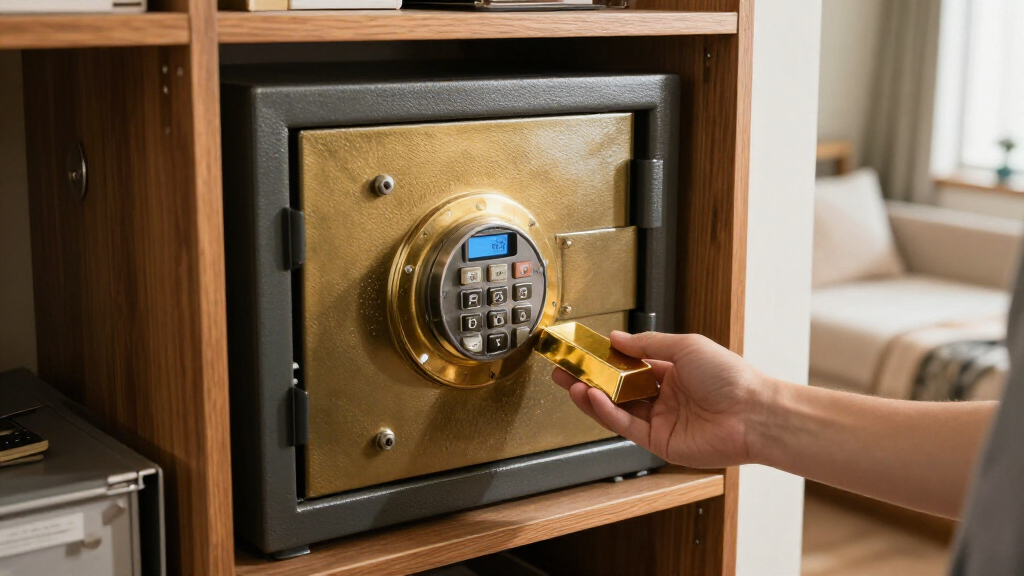
A safe is the central storage point in this checklist, so its capacity and placement deserve attention before you settle on a model. Consider what you intend to store alongside precious metals and whether the interior dimensions accommodate those items without forcing them together. The product name identifies this pick as a home safe with digital access, described as fireproof and waterproof; confirm the details in the current listing and manual before relying on those features.
A common buying mistake is treating a feature in a product title as a complete answer to the needs of a specific home. Check how the safe is powered and accessed, what happens if the keypad cannot be used, and whether the door opening and interior layout work in the planned location. Measure the available floor or shelf space, including room to open the door and enter a code comfortably. If you plan to anchor it, verify that the safe and the chosen mounting surface are compatible. Review the manufacturer’s installation and use instructions, and keep access arrangements practical for the people who need them.
What to look for:
- Interior dimensions that fit intended contents
- Safe footprint and door clearance at the planned location
- Digital access requirements and backup entry guidance
- Manufacturer instructions for fire and water protection
- Mounting options compatible with the installation surface
SentrySafe Fireproof and Waterproof Gray Steel Home Safe with Digital Keypad Loc

The SentrySafe SFW205GQC is a UL‑classified fireproof safe that can endure one hour at 1700°F and an ETL‑verified waterproof safe rated for 24 hours in up to 8 inches of water. It offers a spacious 2.05 cu ft interior, digital keypad with secondary key lock, interior lighting, and six live‑locking bolts for theft protection.
Pros:
- UL‑rated fire protection for up to one hour
- ETL‑verified waterproof rating for 24 hours in flood conditions
- Large interior capacity with organized storage features
- Dual locking system (digital keypad + key) and six live‑locking bolts
Cons:
- Heavy and bulky; requires ample floor clearance to open the door
- Relies on AAA batteries that must be replaced periodically
Best for: Households seeking a dedicated safe with digital access
Not ideal for: Spaces that cannot accommodate the safe’s dimensions or access clearance
Bottom line: Check interior capacity, access guidance, and placement requirements before making this the center of a storage plan.
Safe Bolt Kit
Anchoring can be an important part of deciding where a safe belongs, and this pick is a reusable concrete anchor rather than a safe-specific kit by name. Its role is to connect an item to a suitable surface, so confirm that the anchor’s intended use matches the safe, the mounting points, and the material at the installation location. Read the product documentation and the safe manual together before planning the installation.
A frequent mistake is assuming that any anchor described for concrete will fit every safe or concrete surface. Compare the anchor dimensions and installation method with the safe’s mounting holes and the available concrete. Check whether the installation requires tools, hole dimensions, or other hardware, and whether those requirements can be met at the planned spot. If the safe is not designed for the chosen mounting arrangement, or the surface is not appropriate, the parts may not work together as intended. Follow the manufacturers’ instructions and seek qualified installation help if you are unsure about the surface or method. Confirm the final fit before placing valuables inside.
What to look for:
- Anchor dimensions that match the safe’s mounting holes
- Documented compatibility with the concrete surface
- Installation method and required tools
- Whether additional hardware is needed
- Instructions for safe attachment and removal
Werner A510000 Reusable Concrete Anchor

This reusable concrete anchor is designed for easy insertion and removal in concrete surfaces. It fits a 3/4-inch drill hole with a minimum depth of 3 inches and is suitable for use in concrete with at least 3000 psi strength.
Pros:
- Reusable and easy to insert/remove
- Suitable for heavy-duty concrete (3000 psi)
- Supports multi-directional use
Cons:
- Material details not specified
- Weight not provided
- Limited information on maximum load capacity
Best for: Installations where the safe and anchor instructions are compatible
Not ideal for: Safe models or surfaces that do not match the anchor’s documented use
Bottom line: Treat this as a potential anchoring component and verify compatibility with both the safe and the concrete.
Motion Sensor
A motion sensor can add an alerting layer around a driveway or approach, depending on where its sensors can be placed and how the system is intended to be used. This product is named as a wireless driveway alarm with long-range motion sensors. Before choosing it for a home storage plan, check the stated range, sensor placement guidance, receiver location, and any limits described by the manufacturer.
A common mistake is reading “long-range” as a guarantee that the signal will work through every wall, across every property, or in all weather. Review the instructions for placement and test the system in the intended locations before relying on it. Consider whether the receiver can be heard or noticed where someone will respond, and whether the sensor’s detection area suits the approach you want to monitor. Check power requirements for both sensors and receiver, plus how the system signals alerts. Avoid positioning sensors where routine movement will create unwanted alerts. Make sure any placement respects the boundaries of your property and does not interfere with normal access.
What to look for:
- Documented wireless range and conditions
- Sensor detection area and placement instructions
- Receiver location and alert method
- Power requirements for sensors and receiver
- Options for testing and adjusting placement
Wireless Driveway Alarm with Long-Range Motion Sensors
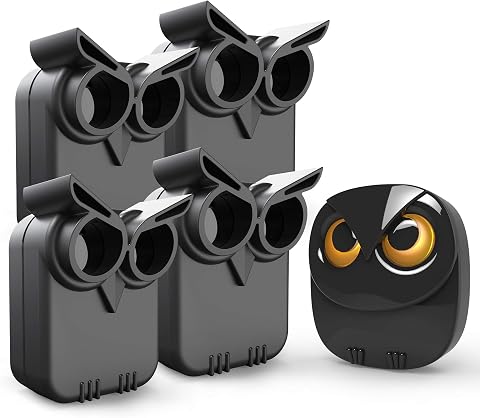
This weather-resistant wireless alarm system detects people or vehicles up to 50 feet away and transmits alerts up to half a mile, depending on terrain. It includes a plug-in receiver and motion sensors, with adjustable sensitivity, volume, and melodies; the description gives conflicting sensor counts.
Pros:
- Long wireless transmission range
- Adjustable detection sensitivity
- Multiple volume levels and melodies
- Weather-resistant sensors for indoor or outdoor use
Cons:
- Batteries are not included
- Actual range varies with terrain
- Source gives conflicting sensor counts and operating temperature information
Best for: Homes where the driveway is a useful approach to monitor
Not ideal for: Layouts where the receiver cannot be noticed or sensors cannot be positioned suitably
Bottom line: Check the documented range and test placement so alerts suit the actual approach and receiver location.
Security Camera
A camera provides a way to monitor a chosen area, making placement and viewing needs central to this pick. The named product is an indoor security camera in a three-pack. Decide which indoor locations you want to cover and whether the cameras’ current specifications, setup requirements, and viewing features suit those spots. A multi-camera package is useful only when each unit has a clear role in the plan.
A common buying mistake is focusing on the number of cameras without checking how each will connect, be powered, and be viewed. Review the current product documentation for network and account requirements, recording options, and any storage or subscription details before choosing. Check the field of view and mounting options against the room layout, including lighting and obstacles. Place cameras where they cover the intended area without recording private spaces unnecessarily. Consider who can access the camera account and how access is managed. Confirm that the cameras are suitable for indoor use and that the intended locations have the power and connectivity they require.
What to look for:
- Indoor placement and mounting requirements
- Field of view for each intended location
- Power and network requirements
- Recording and storage options in current documentation
- Account access controls and privacy settings
Google Nest Cam Indoor Security Camera, 3-Pack

This wired indoor security camera 3-pack provides 1080p live video, night vision, motion alerts, and two-way audio through the Nest app. Each camera has a 130-degree field of view, 8x zoom, and a 10-foot USB cable; optional Nest Aware subscription features include extended video history and intelligent alerts.
Pros:
- 1080p live video with night vision
- Motion alerts and remote viewing through the app
- Two-way audio
- Three-camera pack
Cons:
- Requires a wired power connection
- Some video history and intelligent alert features require a subscription
Best for: Plans that need cameras in multiple indoor locations
Not ideal for: Locations without suitable power, connectivity, or appropriate camera placement
Bottom line: Give each camera a defined viewing area and confirm setup, recording, and account requirements first.
Door Reinforcement Lock
A reinforcement lock is intended to add a hardware measure at a door, so door compatibility is the first thing to establish. This pick is named as a Defender Security U 10827 door reinforcement lock in a two-pack. Check the current product guidance for the door types, dimensions, and installation conditions it supports, then compare those details with the door where you plan to use it.
A common mistake is buying by the lock’s name alone without checking the door’s construction and nearby hardware. Measure the relevant door and frame areas, and look for possible interference with the handle, existing lock, trim, or normal opening and closing. Confirm whether the two units are intended for separate doors or another configuration in the manufacturer’s instructions. Review installation steps and required tools before beginning; an incompatible fit or installation may prevent normal door use. If the door or frame condition raises questions, have a qualified installer assess the fit. Test the door after installation and follow the product instructions for operation.
What to look for:
- Door and frame dimensions supported by the manufacturer
- Compatibility with existing handle and lock hardware
- Clearance for normal opening and closing
- Installation steps and required tools
- Pack configuration and intended placement
Defender Security U 10827 Door Reinforcement Lock (Pack of 2)

This door reinforcement lock is designed to withstand 800 lbs. of force, enhancing home security by preventing doors from being kicked in.
Pros:
- High security withstanding 800 lbs. of force
- Easy to install with included screws
- Child-safe and tamper-resistant design
- Fits any swing-in door regardless of thickness
Cons:
- May require watching installation video for proper setup
- Limited to swing-in doors only
Best for: Doors that match the product’s documented fit requirements
Not ideal for: Doors with incompatible dimensions, construction, or hardware clearance
Bottom line: Measure the door and frame and confirm clearance before selecting this reinforcement lock.
Metal Detector
A handheld metal detector wand serves a different purpose from a safe or camera: it is a portable screening tool. The product name describes a high-sensitivity security scanner, but suitability depends on the manufacturer’s specifications and the way you intend to use it. Check how the wand signals detection, what controls it offers, and what the instructions say about its operating environment.
A common mistake is treating a detector as a substitute for secure storage or assuming that “high sensitivity” describes performance in every situation. Review the detection and calibration guidance, power requirements, and any stated limitations. Consider whether the wand is comfortable to hold and simple for intended users to operate, and whether its controls and alerts are clear. If you plan to use it around stored items, confirm that the manufacturer’s instructions support that use and explain how to interpret alerts. Practice with the device according to its documentation before relying on it as part of a routine. Store and maintain it as directed.
What to look for:
- Documented detection and sensitivity specifications
- Alert types and control layout
- Power source and maintenance guidance
- Intended operating environment and limitations
- Clear instructions for calibration and use
Handheld Metal Detector Wand Security Scanner – High Sensitivity Metal Detector

The Natotinorch handheld metal detector wand offers high‑sensitivity detection with adjustable sensitivity levels to target both small items like coins and larger threats such as knives. It features dual alarm modes—sound or vibration—and runs on a standard 9V battery (included) or an optional rechargeable pack.
Pros:
- High sensitivity with adjustable levels for detecting both small and large metal objects.
- Dual alarm modes (sound and vibration) allow flexible operation in different environments.
- Portable, lightweight design with a holster clip for easy carry.
- Suitable for indoor and outdoor security applications across many venues.
Cons:
- Rechargeable battery and charger are sold separately, requiring an extra purchase.
- Manual sensitivity adjustment may be cumbersome during active scanning.
Best for: Users who want a handheld metal-detection tool
Not ideal for: Plans that expect a wand to replace secure storage or other measures
Bottom line: Review the operating limits and practice with the wand before including it in a security routine.
Build the checklist in a practical order: first identify and place the safe, then confirm whether anchoring is compatible, and next consider the entry and approach measures that fit your home. Add cameras or a handheld detector where their documented capabilities match a specific need. Check product specifications and installation instructions at each step.
No single item covers every part of home storage. Choose measures that fit your space, access routine, and intended use, and take time to confirm compatibility before installation. A careful, layered plan makes each purchase easier to evaluate and gives every item a clear job.
Fall Picks

Samsung Essential S3 27-Inch Curved FHD Monitor
As an affiliate, we earn on qualifying purchases.