

Checkbook IRA structures draw extra compliance attention because they give you more control and flexibility, which can lead to accidental violations if you’re not careful. The increased autonomy raises the risk of prohibited transactions and tax issues, attracting scrutiny from regulators. To avoid penalties or losing your tax advantages, you need to stay diligent with record-keeping and avoid misuse. If you keep these risks in mind, you’ll better understand how to stay compliant and safeguard your retirement investments.
Key Takeaways
- Their increased autonomy raises concerns about potential prohibited transactions and misuse of funds.
- Lack of third-party oversight can make regulatory monitoring more challenging.
- The flexibility in investment choices heightens the risk of non-compliance with IRS rules.
- Investors may inadvertently trigger penalties through improper handling or personal benefit use.
- Regulators focus on preventing tax evasion and protecting the tax-advantaged status of the account.
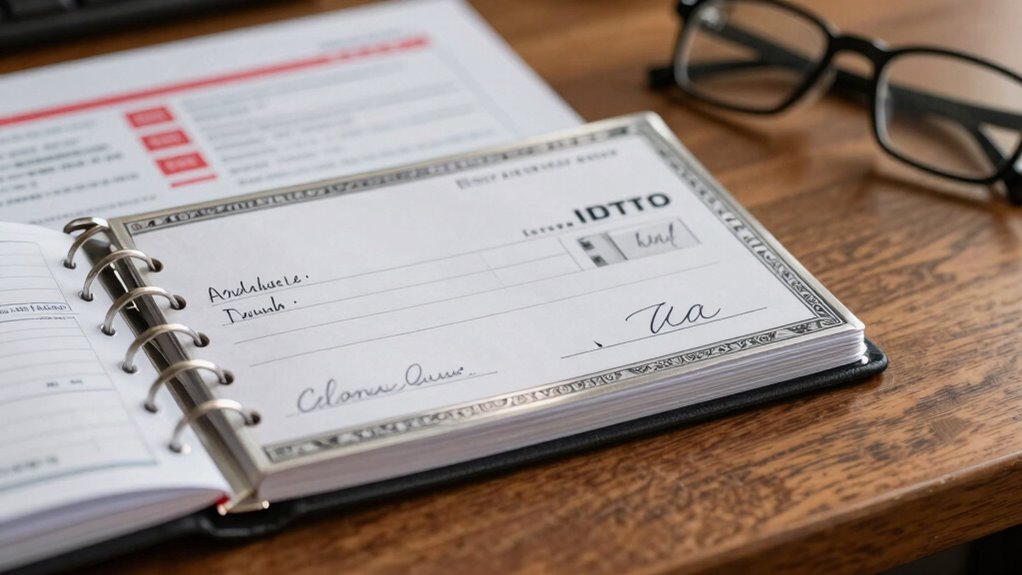
A Checkbook IRA structure offers a streamlined way for investors to manage their retirement funds with greater control and flexibility. With this setup, you can quickly access your funds and make investments without waiting for third-party custodians. However, because of its increased autonomy, this structure attracts extra compliance attention from regulators. It’s vital to understand why, especially when it comes to tax implications and maintaining proper investment diversification.
One of the key reasons why authorities scrutinize Checkbook IRA structures is the potential for tax issues. These accounts are designed to be tax-advantaged, but mishandling them can lead to unexpected tax liabilities. For example, if you inadvertently invest in prohibited transactions or use the IRA funds for personal benefit, you risk triggering taxes, penalties, or even disqualification of the IRA’s tax-deferred status. Regulators are vigilant because such violations can undermine the tax advantages these accounts are meant to provide. It’s your responsibility to guarantee every investment complies with IRS rules, which is why extra oversight is common in these structures. Staying aware of tax regulations is crucial to prevent inadvertent violations.
Regulators monitor Checkbook IRAs closely to prevent prohibited transactions and safeguard tax-deferred benefits.
Another reason for increased compliance attention is the challenge of maintaining proper investment diversification. With a Checkbook IRA, you have the freedom to choose a broad array of assets, including real estate, private equity, or collectibles. While this flexibility is attractive, it also raises the risk of overconcentration in a single asset class or investment. Regulators watch for signs that the IRA isn’t properly diversified, as this can expose the account to higher risk and threaten its tax-advantaged status. Proper diversification isn’t just good investing; it’s also a key requirement to avoid penalties or disqualification. Additionally, understanding the regulatory framework surrounding these accounts can help prevent inadvertent violations and safeguard your retirement assets. Recognizing asset classifications under IRS rules is essential for ensuring your investments remain compliant and protected.
Because of these complexities, the IRS and other regulatory bodies keep a close eye on Checkbook IRA structures. They want to ensure investors aren’t bypassing rules or engaging in transactions that could jeopardize their retirement savings. As an investor, you must stay well-informed and diligent about compliance. This includes maintaining detailed records of all investments, avoiding prohibited transactions, and working with knowledgeable professionals who understand the nuances of these accounts. Being proactive about compliance monitoring can significantly reduce the risk of penalties and ensure your retirement funds remain protected.
IRA compliance record-keeping software
As an affiliate, we earn on qualifying purchases.
As an affiliate, we earn on qualifying purchases.
Frequently Asked Questions
Are Checkbook IRA Structures Suitable for All Investors?
Checkbook IRA structures aren’t suitable for all investors. You need to understand the tax implications and guarantee proper compliance, as improper setup can lead to penalties. If you seek investment diversification and want more control, this structure may work for you. However, it’s essential to carefully evaluate your financial situation and consult a professional to avoid risks, especially since these structures draw extra compliance attention.
What Are the Initial Costs to Set up a Checkbook IRA?
Setting up a checkbook IRA costs surprisingly little—usually a few thousand dollars. You’ll need to cover setup fees, legal and administrative costs, and initial funding. Keep in mind, IRA regulations require careful compliance, and custodian responsibilities include overseeing the account’s legal and tax obligations. While the initial costs aren’t shocking, the ongoing responsibility to stay compliant is vital to avoid penalties and guarantee your investment remains on track.
How Long Does It Take to Establish a Checkbook IRA?
It typically takes about 2 to 4 weeks to establish a checkbook IRA, depending on your familiarity with IRA regulations and the complexity of your investment strategies. You’ll need time to complete paperwork, choose a custodian, and set up your LLC or trust. Being aware of IRA regulations helps prevent delays, and working with experienced professionals guarantees your structure aligns with investment strategies, avoiding compliance issues.
Can I Use a Checkbook IRA for International Investments?
You can use a Checkbook IRA for international investments, including foreign currency and offshore accounts. However, be aware that these investments often attract extra compliance scrutiny because of potential legal and tax implications. You’ll need to guarantee all transactions adhere to IRS rules and avoid prohibited transactions. Proper due diligence and working with experienced custodians can help you navigate the complexities and maintain compliance while exploring international options.
What Are Common Penalties for Non-Compliance With Checkbook IRA Rules?
If you don’t follow checkbook IRA rules, you could face hefty penalties, including taxes on prohibited transactions and potential disqualification of your IRA. Non-compliance attracts regulatory oversight, which may scrutinize your investments closely. You might also encounter tax implications like early withdrawal penalties or income taxes on gains. To avoid these penalties, make sure you comply with all IRS regulations, keep detailed records, and consult a knowledgeable financial advisor.
Checkbook IRA investment management tools
As an affiliate, we earn on qualifying purchases.
As an affiliate, we earn on qualifying purchases.
Conclusion
Just like a skilled sailor steering choppy waters, you must steer carefully with checkbook IRA structures. The IRS watches these vessels closely, wary of hidden reefs and unexpected storms. Stay compliant, keep your course transparent, and avoid the siren’s call of shortcuts. By doing so, you’ll sail smoothly through regulatory tides, avoiding the rocky shoals that threaten to sink your financial voyage. Remember, a steady hand and clear navigation keep your journey secure.
IRA prohibited transaction prevention guides
As an affiliate, we earn on qualifying purchases.
As an affiliate, we earn on qualifying purchases.
As an affiliate, we earn on qualifying purchases.