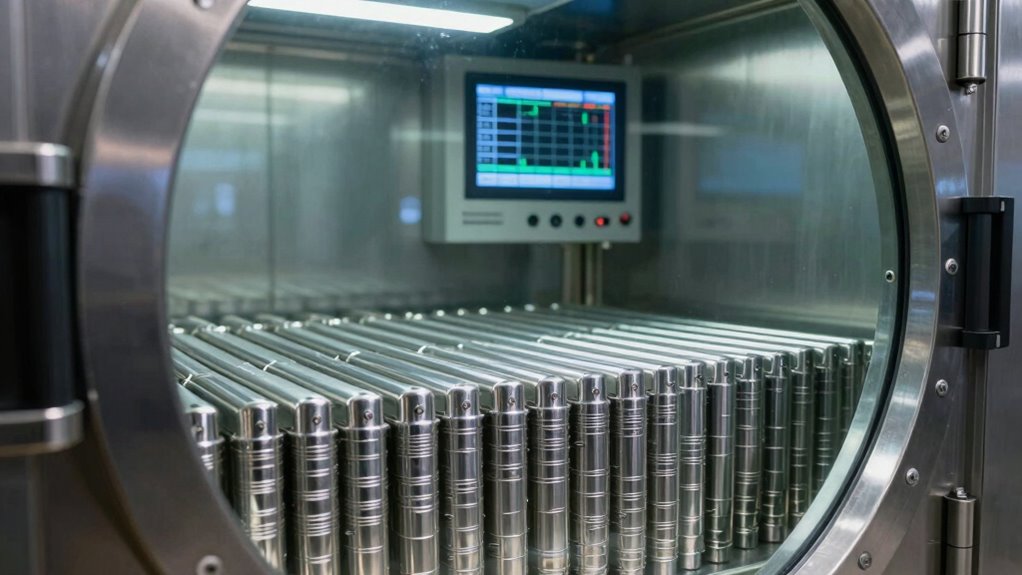

Storage jurisdiction risk means that where you store your metals affects your legal protections, access, and ability to transfer assets. Different countries have varying laws and enforcement policies that can change unexpectedly, risking loss or legal disputes. Geopolitical tensions can block your ability to access or move your metals. Understanding these risks helps you avoid surprises and keep your investments secure. If you want to learn more about safeguarding your metals, keep going.
Key Takeaways
- Storage jurisdiction determines which legal system protects or risks your metal holdings.
- Political instability or legal changes in the jurisdiction can threaten asset security.
- Geopolitical tensions may lead to sanctions, asset seizures, or restricted access.
- Varying enforcement policies influence the safety and liquidity of stored metals.
- Understanding jurisdictional risks helps investors safeguard their assets and ensure accessibility.
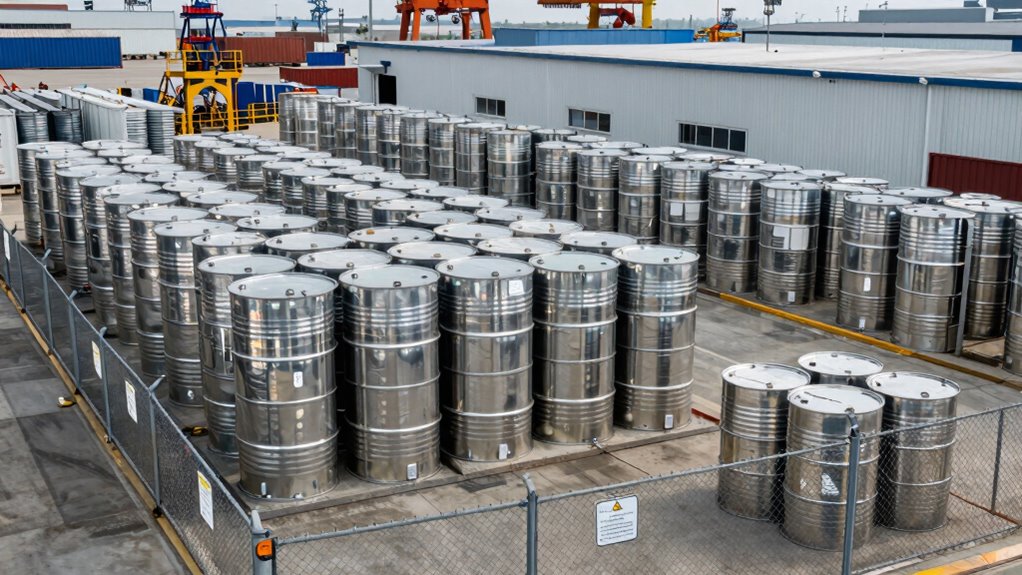
When investing in metals, one often overlooks the critical risks associated with storage jurisdiction, yet these can substantially impact your holdings. The location where your metals are stored isn’t just a matter of convenience; it influences your legal protections, potential taxes, and even your ability to access your assets during turbulent times. Storage jurisdiction determines which laws govern your holdings, and those laws can change unexpectedly. Regulatory changes, for example, might tighten rules around metal storage, introduce new reporting requirements, or impose additional taxes. If your metals are stored in a country with a volatile regulatory environment, you could find yourself facing unexpected hurdles or restrictions that threaten your investment.
Geopolitical tensions further complicate storage risks. When tensions rise between your home country and another nation where your metals are stored, the situation can quickly become unstable. Governments might impose sanctions, seize assets, or restrict access to foreign storage facilities under the guise of national security. These actions aren’t always predictable, and they can leave you unable to access your metals when you need them most. If your holdings are stored in a jurisdiction embroiled in conflict or diplomatic disputes, your ability to transfer, sell, or even verify your assets could be compromised. This kind of geopolitical instability introduces an additional layer of risk that many investors overlook, yet it can be just as damaging as market downturns.
Geopolitical conflicts can block access to your stored metals, risking your ability to transfer, sell, or verify assets.
Moreover, differing legal standards and enforcement policies across jurisdictions mean that your rights as an investor aren’t the same everywhere. Some countries may have strong legal protections and transparent regulations, making them safer storage options. Others might lack clear governance, increasing the risk of loss through confiscation or legal disputes. As regulations evolve, the risks intensify—what might be a secure storage location today could become problematic tomorrow. This makes it essential for you to stay informed and consider the stability, legal framework, and political climate of the jurisdiction where your metals are stored. Legal protections and the enforcement policies in place can significantly influence the security of your assets over time.
Additionally, storage jurisdiction risks can influence the overall security and liquidity of your assets, affecting how quickly you can respond to market changes or emergencies. In essence, understanding storage jurisdiction risk means recognizing that your metals are more than just commodities; they’re legal assets tied to a specific location. Changes in regulations or escalating geopolitical tensions can drastically alter your ability to access, transfer, or even retain your holdings. To safeguard your investments, you need to carefully evaluate the legal and political landscape of the storage jurisdictions. Doing so helps you mitigate unforeseen risks, ensuring your metals remain a secure part of your investment portfolio, regardless of shifting global circumstances.

KYODOLED Fireproof Document Box with Key Lock, Small Lock Boxes for Personal Items, Fire and Water Resistance, Fireproof Safe Box for Documents, Jewelry, Passport, Cash, 12.6'' x 8.3'' x 4.3'' Black
FIREPROOF RESISTANT INSULATION: KYODOLED fireproof storage safe box is made of sturdy double cold rolled steel construction on…
As an affiliate, we earn on qualifying purchases.
As an affiliate, we earn on qualifying purchases.
Frequently Asked Questions
How Does Storage Jurisdiction Risk Impact Metal Price Volatility?
Storage jurisdiction risk can cause metal price volatility because concerns over storage security and legal compliance may lead to sudden market shifts. When investors worry about potential legal issues or insecure storage facilities, they might sell off holdings quickly, driving prices down. Conversely, confidence in secure, compliant storage options can stabilize prices. This uncertainty creates unpredictable price swings, making it essential for investors to monitor jurisdiction risks closely.
What Are the Main Legal Differences Between Storage Jurisdictions?
You see, legal nuances and regulatory distinctions create a stark contrast between storage jurisdictions. Some regions enforce strict laws, detailed regulations, and transparent procedures, while others operate with minimal oversight or ambiguous rules. These differences impact ownership rights, dispute resolution, and liability. Understanding these legal nuances helps you navigate potential risks, ensuring your metals are stored securely and legally, no matter where your assets are held.
Can Investors Mitigate Storage Jurisdiction Risks Effectively?
Yes, you can mitigate storage jurisdiction risks effectively by securing extensive storage insurance and ensuring jurisdictional compliance. Storage insurance protects your investment against potential losses arising from legal disputes or jurisdictional issues. Additionally, thoroughly researching and working with reputable storage providers that adhere to jurisdictional compliance helps minimize risks. Staying informed about legal differences and maintaining proper documentation further safeguards your metals holdings from unforeseen legal complications.
Are Certain Metals More Vulnerable to Jurisdictional Issues?
Certain metals are more vulnerable to jurisdictional issues, especially those affected by regulatory discrepancies and political instability. You’ll find that politically sensitive metals like gold and rare earth elements face higher risks due to government controls, legal uncertainties, and geopolitical tensions. These factors can disrupt storage and supply chains, making your investments riskier. Recognizing these vulnerabilities helps you make informed decisions, hedge against potential losses, and diversify your portfolio accordingly.
How Often Do Jurisdiction Disputes Affect Metal Inventories?
Jurisdiction disputes can impact your metal inventories occasionally, especially when storage transparency isn’t clear or legal compliance is lacking. These disputes tend to happen more often in regions with complex regulations or political instability, leading to delays or losses. As an investor, you should stay informed about local laws and demand transparency from storage providers to minimize risks. Regular checks and proper due diligence help protect your assets from jurisdictional uncertainties.

Stacker Vault Coin Storage Case
STORAGE CAPACITY: Holds up to 12 US Mint tubes or 240+ ounces of 1 oz coins, perfect for…
As an affiliate, we earn on qualifying purchases.
As an affiliate, we earn on qualifying purchases.
Conclusion
In conclusion, understanding storage jurisdiction risk isn’t just a matter of knowledge—it’s a key to keeping your metals investments safe. By being vigilant about where your assets are stored, you protect your profits and prevent potential pitfalls. Stay savvy, scrutinize storage solutions, and seek secure, sovereign sites. Solidify your strategy by staying informed and involved, ensuring your investments remain resilient. Remember, safeguarding your silver and gold starts with smart storage choices—so choose wisely and confidently!

WAEKIYTL Silver Bar Holder 1 Oz Silver Bar Case Silver Bar Capsule Storage Bar Capsule Clear Acrylic Storage Container for 1 Ounce Silver Bar (20)
【Package Content】You will receive a total of 20 pcs of 1 oz silver bar storage case, 20 pcs…
As an affiliate, we earn on qualifying purchases.
As an affiliate, we earn on qualifying purchases.

Dalmbox Portable Metal Safe Box with Key Lock – Fire Resistant Storage for Documents, Car, Home and Outside – X Large 13.2"x 11"x 5.1" Black Box
【LARGE CAPACITY】The interior dimension of the lock box for documents is 11.8” x 9.65” x 4.53”. It is…
As an affiliate, we earn on qualifying purchases.
As an affiliate, we earn on qualifying purchases.