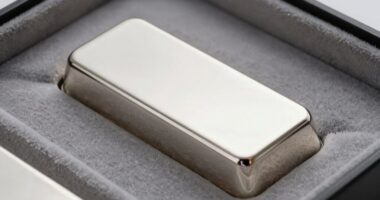
The main coin storage error that scratches away value is using improper materials like cheap holders or tossing coins into drawers or jars. These methods can cause scratches, tarnish, or surface damage that reduce a coin’s grade and market worth. Poor handling and lack of environmental control also accelerate deterioration. To protect your collection, it’s essential to use proper storage and handling techniques. Keep going to find out how to best preserve your coins for the long haul.

Get home office essentials delivered free with Prime
- Fast, free delivery on millions of items
- Prime Video, Amazon Music and more included
- Member-only deals all year
Key Takeaways
- Using improper storage materials like cheap holders or loose containers can cause scratches and surface damage.
- Handling coins without gloves or with rough techniques increases the risk of scratching and tarnishing.
- Storing coins in environments with high humidity or temperature fluctuations accelerates surface deterioration.
- Overly tight or abrasive storage solutions can scratch coin surfaces over time.
- Neglecting regular inspection and maintenance allows minor scratches or damage to go unnoticed and worsen.

When storing coins, a simple mistake can lead to notable losses, and the coin storage error is no exception. One of the most common pitfalls is neglecting proper storage materials, which can cause scratches, tarnish, or other damage that diminishes a coin’s value. You might think that just tossing your coins into a drawer or a jar is enough, but improper storage can ruin even the most pristine pieces. To protect your collection, you need to understand the importance of using the right storage materials and how they influence coin grading—a critical factor in determining a coin’s worth. Using appropriate storage materials helps prevent exposure to environmental factors that can accelerate tarnishing and corrosion, preserving your coins’ integrity over time. Coin grading is a meticulous process that evaluates the condition of a coin, including its surface quality, luster, and presence of scratches or marks. Even minor surface damage can considerably lower a coin’s grade and, consequently, its market value. When you fail to choose appropriate storage materials, you risk introducing flaws that weren’t there before, such as scratches or toning caused by contact with acidic or reactive materials. Acid-free holders, Mylar flips, and inert storage albums are better options because they don’t react with the metal or surface of your coins, helping preserve their original condition. Proper storage also involves controlling environmental conditions, such as humidity and temperature, which, if neglected, can significantly impact the long-term preservation of your coins. Environmental control is essential to minimize the risk of corrosion and other forms of deterioration that can occur over time. Additionally, understanding the effects of environmental factors can help you implement effective preservation strategies. Using improper storage materials can also lead to physical damage over time. Cheap or poorly made holders often lack proper cushioning or are too tight, which can cause scratches or indentations when coins are inserted or removed. Conversely, using materials that are too loose can result in coins rubbing against each other, leading to surface abrasions. Investing in quality storage supplies ensures your coins stay protected from accidental scratches and environmental factors such as humidity and dust. Regular inspection and maintenance of your storage solutions are also crucial to ensure they remain in optimal condition and continue to protect your collection effectively. Moreover, understanding the importance of proper labeling can help you organize your collection efficiently, reducing unnecessary handling that might lead to damage.
Another mistake you want to avoid is overlooking the importance of consistent handling practices. Even with the best storage materials, careless handling can cause scratches. Always handle coins by the edges, and consider wearing cotton gloves if you’re dealing with particularly valuable pieces. Proper storage combined with careful handling helps maintain the coin’s original luster and surface integrity, which is essential for preserving its grade and value. Being aware of proper handling techniques can further decrease the risk of accidental damage, especially for high-value or rare coins. Ultimately, the way you store your coins plays a significant role in maintaining their value. Using appropriate storage materials and understanding how they impact coin grading can prevent damage and scratches that diminish worth. Don’t underestimate the power of proper storage—your coins’ condition depends on it, and so does their future value. Guard your collection by making smart choices today, and you’ll thank yourself when it’s time to sell or showcase your prized pieces.
Products Worth Considering

FLEXISPOT EN1 Electric Standing Desk, 48 x 24 in, Black

Dell XPS Tower 8960 Desktop, Intel Core i7-13700, NVIDIA GeForce RTX 4060, 16GB DDR5, 512GB SSD

Dell UltraSharp 27 Thunderbolt Hub Monitor (U2726DER), QHD
As an affiliate, we earn on qualifying purchases.
Frequently Asked Questions
How Can I Identify if My Coin Has a Storage Error?
You can identify a storage error on your coin by closely inspecting its surface for unusual scratches, marks, or discoloration, which may indicate damage. Use proper coin grading techniques, like magnification, to spot subtle imperfections. Collector tips suggest examining both sides carefully and comparing your coin to reference images. If you notice irregularities, it’s best to consult a professional grader to determine if the storage error impacts its value.
Are Storage Errors More Common in Certain Coin Types?
Yes, storage errors are more common in certain coin types, especially those with delicate metal compositions like silver or copper. If you keep your coins in a poor storage environment—humid, acidic, or exposed to extreme temperatures—you’re risking damage. Coins with softer metals are more prone to scratches, corrosion, or other errors, making it vital to store them properly. Proper storage can considerably reduce the chances of errors occurring.
What Precautions Prevent Coin Storage Errors?
To prevent coin storage errors, you should use a proper storage container designed for coins, like a coin holder or album, which minimizes contact and pressure. Handle your coins with clean, dry hands or use gloves to avoid fingerprints and corrosion. Avoid stacking coins directly or exposing them to extreme temperatures and humidity. Practicing careful handling techniques and choosing the right storage container helps preserve your coins’ value and condition.
Do Storage Errors Affect a Coin’s Authenticity?
Storage errors generally don’t affect a coin’s authenticity, but they can impact its value, especially for rare minting coins with historical significance. If mishandled or stored improperly, surface scratches or corrosion may occur, diminishing appeal. While the coin remains genuine, these errors can reduce collector interest and market value. To preserve authenticity and value, store your coins carefully, avoiding exposure to moisture, chemicals, or rough handling.
Can Storage Errors Be Repaired or Restored?
Like a fragile butterfly, a coin’s surface can be delicate. Storage errors, especially those affecting metal composition, can’t truly be repaired or restored. Once damage occurs, it’s permanent, influenced heavily by the storage environment. Protect your coins from moisture, extreme temperatures, and chemicals to prevent further harm. While professional cleaning might improve appearance, it won’t reverse underlying errors caused by poor storage, so prevention remains your best strategy.
Conclusion
Remember, a careless coin storage mistake can chip away at your collection’s worth like a drop of acid. Keep your coins safe and well-protected, treating each one like a precious gem, not just another piece of metal. By avoiding storage errors, you’re guarding your collection’s shine and value, ensuring it stays as radiant as the day you found it. Don’t let a simple mistake tarnish your treasure—preserve it with care and foresight.