

The best precious metals investment guide for most buyers is The Precious Metals Playbook: A 60-Year Dealer’s Guide, because it teaches you how to buy gold and silver without getting scammed — the single biggest risk new investors face. Close behind are Mastering Gold and Silver Markets, the strongest pick for readers who want professional-grade market insight, and The Basics of Precious Metals Investing for Beginners, which covers all four major metals without overwhelming first-timers. The core tradeoff in this category is depth versus accessibility: dealer and trader memoirs deliver hard-won street knowledge but assume some familiarity with the market, while beginner guides are easier to digest yet rarely address dealer markups, counterfeit risk, or exit strategy in detail. Price matters less here than fit — a $12 book that matches your experience level will outperform a $40 one written for a different reader. Read on for the full ranking and who each guide serves best.

Get home office essentials delivered free — and shop member deals
- Fast, free delivery on millions of items
- Access to Prime Big Deal Days deals on October 6–7
- Prime Video, Amazon Music and more included
Key Takeaways
- Books written by industry insiders — the 60-year dealer behind The Precious Metals Playbook and the bullion bank trader behind Mastering Gold and Silver Markets — consistently offered the most actionable buying advice, because they explain how dealers actually price and pitch product.
- Scam and markup avoidance is the clearest differentiator in this roundup: only about half of the guides address dealer spreads, numismatic upsells, and counterfeit risk in any depth, and those that do ranked higher regardless of price.
- The two For Dummies titles overlap heavily with each other and with cheaper beginner guides; Investing in Gold & Silver For Dummies is the stronger of the pair for pure beginners, making the other largely redundant.
- Specialist guides beat general ones once you have a strategy: Trade the Ratio is the only pick that teaches a concrete trading tactic (the silver-to-gold ratio), making it the clear choice over broader guides for tactical investors.
- Several guides read more like precious metals advocacy than investment education. The best-reviewed picks here acknowledge tradeoffs — volatility, storage costs, and opportunity cost — rather than treating metals as a can’t-lose asset.
| How to Invest in Gold and Precious Metals in 2026: Lock in Wealth, Hedge Against Inflation, and Invest During Uncertain Times |  | Best for Current Market Conditions | Format: Paperback / Kindle edition | Primary Focus: Gold and precious metals investing | Investor Level: Beginner to intermediate | VIEW LATEST PRICE | See Our Full Breakdown |
| Mastering Gold and Silver Markets: Insights from a Legendary Bullion Bank Trader |  | Best Advanced Pick | Format: Print edition | Primary Focus: Gold and silver market trading | Investor Level: Intermediate to advanced | VIEW LATEST PRICE | See Our Full Breakdown |
| The Basics of Precious Metals Investing for Beginners: How to Invest in Gold, Silver, Platinum, and Palladium for Long-Term Wealth |  | Best for Beginners | Format: Paperback / Kindle edition | Primary Focus: Precious metals investing fundamentals | Investor Level: Beginner | VIEW LATEST PRICE | See Our Full Breakdown |
| Trade the Ratio: The Precious Metal Investors’ Guide to Trading the Silver-to-Gold Ratio for Optimal Gains |  | Best Niche Strategy Pick | Format: Paperback edition | Primary Focus: Silver-to-gold ratio trading | Investor Level: Beginner to experienced | VIEW LATEST PRICE | See Our Full Breakdown |
| Precious Metal: Investing and Collecting in Today’s Silver, Gold, and Platinum Markets |  | Best for Collectors | Format: Hardcover / print edition | Primary Focus: Investing and collecting | Investor Level: Beginner to experienced collector | VIEW LATEST PRICE | See Our Full Breakdown |
| Investing in Gold & Silver For Dummies |  | Best for Absolute Beginners | Format: Paperback / eBook | Series: For Dummies | Focus Metals: Gold and Silver | VIEW LATEST PRICE | See Our Full Breakdown |
| Precious Metals Investing For Dummies | 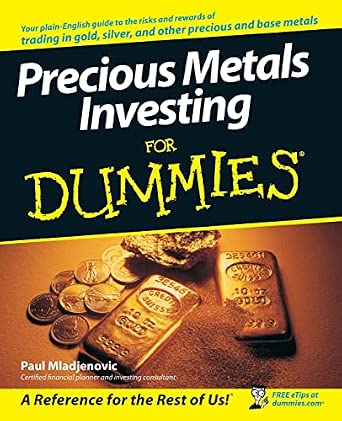 | Best Broad-Spectrum Starter | Format: Paperback | Series: For Dummies | Focus Metals: Gold, silver, and other precious metals | VIEW LATEST PRICE | See Our Full Breakdown |
| The Little Book of Buying Precious Metals: Your Guide for Buying and Selling Gold and Silver | 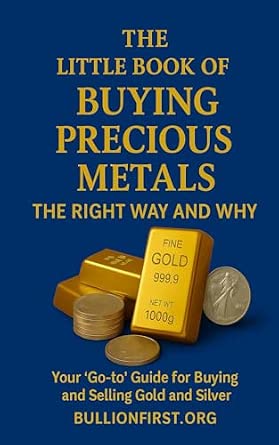 | Best for Making Your First Purchase | Format: Paperback / Kindle | Focus Metals: Gold and Silver | Experience Level: Beginner to intermediate | VIEW LATEST PRICE | See Our Full Breakdown |
| Guide to Investing in Gold & Silver: Protect Your Financial Future |  | Best Wealth-Protection Mindset | Format: Paperback | Focus Metals: Gold and Silver | Experience Level: Beginner to intermediate | VIEW LATEST PRICE | See Our Full Breakdown |
| STACK SMART: The Ultimate Guide to Gold and Silver |  | Best for Active Buyers and Sellers | Format: Paperback / Kindle | Focus Metals: Gold and Silver | Experience Level: Beginner to experienced | VIEW LATEST PRICE | See Our Full Breakdown |
| The Essential Guide to Investing in Precious Metals: How to Begin, Build, and Maintain a Properly Diversified Portfolio |  | Best for Portfolio Builders | Format: Kindle eBook | Focus: Portfolio construction and diversification | Audience Level: Beginner to advanced | VIEW LATEST PRICE | See Our Full Breakdown |
| The Precious Metals Playbook: A 60-Year Dealer’s Guide to Buying Gold & Silver Without Getting Scammed |  | Best for Avoiding Dealer Scams | Format: Kindle eBook | Author Background: Precious metals dealer, 60+ years | Primary Focus: Buying gold and silver safely | VIEW LATEST PRICE | See Our Full Breakdown |
| Precious Metals: Guide to Understanding Precious Metals |  | Best Foundations Primer | Format: Kindle eBook | Focus: Understanding precious metals fundamentals | Core Topics: Types, uses, and investment considerations of precious metals | VIEW LATEST PRICE | See Our Full Breakdown |
| Real Money: A Precious Metals Playbook for Every Generation |  | Best for Multi-Generational Planning | Format: Kindle eBook | Focus: Metals investing across generations | Core Topics: Fundamentals and stage-of-life wealth strategies | VIEW LATEST PRICE | See Our Full Breakdown |
| Precious Metal Investing: A Beginner’s Guide to Investing in Gold, Silver, and Rare Metals for Long-Term Wealth |  | Best Beginner’s Starting Point | Format: Kindle eBook | Focus: Beginner introduction to metals investing | Metals Covered: Gold, silver, and rare metals | VIEW LATEST PRICE | See Our Full Breakdown |
| precious metals investment guide | Format |
|---|---|
| How to Invest in Gold and Prec | Paperback / Kindle edition |
| Mastering Gold and Silver Mark | Print edition |
| The Basics of Precious Metals | Paperback / Kindle edition |
| Trade the Ratio: The Precious | Paperback edition |
| Precious Metal: Investing and | Hardcover / print edition |
| Investing in Gold & Silver For | Paperback / eBook |
| Precious Metals Investing For | Paperback |
| The Little Book of Buying Prec | Paperback / Kindle |
| Guide to Investing in Gold & S | Paperback |
| STACK SMART: The Ultimate Guid | Paperback / Kindle |
| The Essential Guide to Investi | Kindle eBook |
| The Precious Metals Playbook: | Kindle eBook |
| Precious Metals: Guide to Unde | Kindle eBook |
| Real Money: A Precious Metals | Kindle eBook |
| Precious Metal Investing: A Be | Kindle eBook |
More Details on Our Top Picks
How to Invest in Gold and Precious Metals in 2026: Lock in Wealth, Hedge Against Inflation, and Invest During Uncertain Times
Most precious metals guides age poorly the moment they hit print, but this one earns its place by orienting every strategy around the 2026 market landscape — inflation hedging, rate uncertainty, and wealth preservation. Where The Basics of Precious Metals Investing for Beginners teaches timeless fundamentals, this option stands out for readers who want their education anchored to what is happening right now. The focus on safe practices during volatility makes it a strong complement to broader titles like Guide to Investing in Gold & Silver rather than a replacement. The tradeoff is specialization: it leans toward defensive positioning and says far less about active trading than Mastering Gold and Silver Markets. It also carries limited reader feedback, so buyers are trusting an unproven track record compared with established franchise titles.
Pros:- Strategies framed around 2026 market conditions rather than timeless generalities
- Strong emphasis on inflation hedging and wealth protection
- Covers safe investment practices to help avoid common pitfalls
- Accessible to intermediate readers who already know the basics
Cons:- Few reader reviews, so quality is harder to verify against proven titles
- Heavily weighted toward hedging, with little coverage of trading or speculation
- Time-stamped advice may feel dated within a few years
Best for: Investors worried about inflation and recession risk who want strategies tied to current market conditions
Not ideal for: Active traders who need tactical, chart-driven techniques rather than defensive wealth-preservation advice
- Format:Paperback / Kindle edition
- Primary Focus:Gold and precious metals investing
- Investor Level:Beginner to intermediate
- Key Themes:Inflation hedging, wealth preservation, uncertain markets
- Metals Covered:Gold plus other precious metals
- Strategy Orientation:Defensive, long-term holding
- Publication Currency:Updated for 2026 conditions
Our verdict“Buy this if macro uncertainty is what pushed you toward metals in the first place; skip it if you want timeless fundamentals or tactical trading instruction.”
Mastering Gold and Silver Markets: Insights from a Legendary Bullion Bank Trader
This is the professional-tier entry in this lineup. Instead of explaining what a troy ounce is — territory already covered well by The Basics of Precious Metals Investing for Beginners — this book goes straight into institutional trading strategies drawn from a career inside a bullion bank. Compared with Trade the Ratio, which teaches one narrow tactic, this option offers a broader professional playbook on how gold and silver markets actually move, which is why it earns the advanced slot. The tradeoff is steep: readers without a foundation in market mechanics will find the material dense and possibly discouraging. The lack of reader reviews also makes it a leap of faith versus battle-tested titles like the For Dummies guides. This pick makes the most sense for someone ready to trade, not just buy and hold.
Pros:- Rare insider perspective from an actual bullion bank trading career
- Covers both gold and silver market dynamics in depth
- Goes beyond buy-and-hold into professional trading strategy
- Suited to readers who have outgrown beginner guides
Cons:- Steep learning curve for anyone new to markets
- No customer ratings to validate the content quality
- Trading-focused approach carries real financial risk if misapplied
Best for: Active traders and serious investors who want institutional-level insight into gold and silver price behavior
Not ideal for: First-time buyers who want simple advice on buying coins or bars — the content assumes existing market knowledge
- Format:Print edition
- Primary Focus:Gold and silver market trading
- Investor Level:Intermediate to advanced
- Perspective:Professional bullion bank trader
- Strategy Orientation:Active trading and market analysis
- Metals Covered:Gold and silver
- Best Use:Skill-building beyond beginner material
Our verdict“Choose this only after you already understand metals basics — it rewards experienced traders and overwhelms newcomers.”
The Basics of Precious Metals Investing for Beginners: How to Invest in Gold, Silver, Platinum, and Palladium for Long-Term Wealth
If the roundup needs a true starting point, this is it. Unlike How to Invest in Gold and Precious Metals in 2026, which assumes some market awareness, this book begins at zero and walks through all four major precious metals — including platinum and palladium, which most beginner titles gloss over. That breadth is its defining strength: a newcomer can finish it understanding the full menu of options before committing money. Compared with Precious Metal: Investing and Collecting in Today’s Markets, the tone here is strictly long-term wealth building, not collecting, which keeps the focus on portfolio decisions. The tradeoff is depth. There is little market-timing or short-term trading content, so ambitious readers will outgrow it quickly and need a follow-up like Mastering Gold and Silver Markets to advance.
Pros:- Covers all four investment metals: gold, silver, platinum, and palladium
- Genuinely beginner-friendly language and progression
- Focused on long-term wealth building, not speculation
- Includes portfolio diversification guidance
Cons:- Lacks market analysis depth for intermediate readers
- No coverage of short-term trading techniques
- Beginners will eventually need a more advanced follow-up book
Best for: Complete newcomers who want a plain-language introduction to all four precious metals before investing a dollar
Not ideal for: Traders or market-timers who need tactical analysis rather than foundational, long-horizon guidance
- Format:Paperback / Kindle edition
- Primary Focus:Precious metals investing fundamentals
- Investor Level:Beginner
- Metals Covered:Gold, silver, platinum, palladium
- Strategy Orientation:Long-term wealth and diversification
- Time Horizon:Long-term
- Trading Content:Minimal — foundational focus
Our verdict“The right first book for someone starting from scratch; plan to graduate to a deeper title once the basics click.”
Trade the Ratio: The Precious Metal Investors’ Guide to Trading the Silver-to-Gold Ratio for Optimal Gains
Every roundup benefits from a specialist, and this is it. Rather than surveying the whole field like The Basics of Precious Metals Investing for Beginners, this book teaches one technique in detail: rotating between silver and gold based on the silver-to-gold ratio to compound holdings over time. That single-mindedness is the appeal — no other title in this lineup devotes itself to a specific, repeatable trading system. Compared with Mastering Gold and Silver Markets, which demands broad market sophistication, this strategy is learnable by patient beginners willing to track one metric. The tradeoff is narrowness: if the ratio trade loses favor or you want exposure to platinum, palladium, or mining stocks, this book offers nothing. Practical execution details — storage, spreads, taxes — are also thinner than in generalist guides like STACK SMART.
Pros:- Deep, focused treatment of one actionable strategy rather than vague overview
- Ratio trading works for both beginners and experienced holders
- Teaches a repeatable system for optimizing metal holdings
- Includes market analysis specific to gold-silver dynamics
Cons:- Single-strategy scope leaves no room for other metals or approaches
- Limited detail on practical execution like spreads and storage costs
- Strategy performance depends on ratio behavior that may shift over decades
Best for: Self-directed investors who want one disciplined, rules-based system for swapping between gold and silver
Not ideal for: Readers wanting broad portfolio guidance — this covers a single strategy and nothing else
- Format:Paperback edition
- Primary Focus:Silver-to-gold ratio trading
- Investor Level:Beginner to experienced
- Metals Covered:Gold and silver
- Strategy Orientation:Active rotation between metals
- Core Concept:Trading the silver-to-gold ratio for gains
- Scope:Single-strategy specialist guide
Our verdict“A worthwhile second or third book for investors ready to act on one system — not a standalone education.”
Precious Metal: Investing and Collecting in Today’s Silver, Gold, and Platinum Markets
This is the only title in the batch that treats precious metals as both an investment and a hobby. Where Trade the Ratio is pure strategy and The Basics of Precious Metals Investing for Beginners is pure portfolio theory, this book bridges investing with numismatics — grading, valuation, and market trends for silver, gold, and platinum pieces. That dual focus makes it the natural pick for buyers who enjoy the objects themselves, not just the price chart. Compared with The Precious Metals Playbook, which centers on avoiding dealer scams, this option spends more time on collectible value and where it intersects with bullion investing. The tradeoff: pure investors may find collecting content a distraction, and the book omits palladium entirely, giving it narrower metal coverage than the beginner title.
Pros:- Uniquely covers both investing and collecting in one volume
- Addresses valuation and market trends for collectible pieces
- Works for beginners and experienced collectors alike
- Grounded in current silver, gold, and platinum market conditions
Cons:- Collecting content dilutes the purely financial guidance
- No coverage of palladium, unlike broader beginner guides
- Edition and publication details are unclear, so buyers should verify currency
Best for: Hobbyists and investors who want to understand collectible value alongside bullion purchases
Not ideal for: Strict portfolio investors who view metals purely as financial assets and have no interest in numismatics
- Format:Hardcover / print edition
- Primary Focus:Investing and collecting
- Investor Level:Beginner to experienced collector
- Metals Covered:Silver, gold, platinum
- Key Themes:Market trends, valuation, collecting strategy
- Audience:Investors and numismatists
- Strategy Orientation:Hybrid: portfolio plus collectibles
Our verdict“Pick this if you care what your metals are, not just what they’re worth; skip it if you only want portfolio mechanics.”
Investing in Gold & Silver For Dummies
Of all the entry-level titles in this roundup, this one does the best job of removing intimidation from the first step. The For Dummies format breaks gold and silver investing into digestible chunks, and compared with something like Guide to Investing in Gold & Silver: Protect Your Financial Future, it spends far more time on fundamentals — what moves metal prices, how to buy, and how much of a portfolio should be allocated — before getting into strategy. That said, the accessibility comes at a cost: readers who already understand market basics will find the analysis thin. Where STACK SMART pushes you toward trading decisions, this book deliberately slows things down, which makes it a safer on-ramp for cautious first-time investors than any of the newer, thinner titles.
Pros:- Clear, jargon-free explanations designed for readers with zero background
- Covers both gold and silver strategies in one place
- Established editorial franchise with consistent, well-organized formatting
- Balances fundamentals with actionable beginner tips
Cons:- Lacks detailed market analysis for readers who want depth
- Some content overlaps with other For Dummies finance titles, so return buyers may see repetition
Best for: Complete newcomers who want a trusted, structured introduction before committing any money to metals
Not ideal for: Intermediate or advanced investors — the content stays at survey level and skimps on deeper market analysis
- Format:Paperback / eBook
- Series:For Dummies
- Focus Metals:Gold and Silver
- Experience Level:Beginner
- Coverage:Market fundamentals, buying strategies, portfolio tips
- Publisher:Wiley (For Dummies imprint)
Our verdict“This is the right first book if you’ve never owned a single ounce of metal and want a patient, structured teacher.”
Precious Metals Investing For Dummies
Where Investing in Gold & Silver For Dummies narrows its lens to two metals, this earlier title casts a wider net across the precious metals universe, making it the better starting point for readers who don’t yet know whether gold, silver, or something else fits their goals. It pairs practical strategies with market insight, so a reader finishes with a working map of the whole category rather than deep expertise in one corner. The tradeoff is age: some market references and vehicle details reflect an earlier investing landscape, so anyone comparing it with The Little Book of Buying Precious Metals should know this is the broader but less current of the two. For a big-picture orientation before specializing, it still earns its shelf space.
Pros:- Introduces the full range of precious metals, not just gold and silver
- Combines practical strategy with market context
- Beginner-friendly structure from a familiar series
- Good springboard for choosing a specialization
Cons:- Older publication with references that predate today’s market conditions
- Sparse edition and product information makes pre-purchase research harder
- Lacks verified reader reviews to gauge real-world usefulness
Best for: Readers who want a panoramic introduction to all precious metals before deciding where to specialize
Not ideal for: Buyers who need current market data or edition details before purchasing — information is limited and some content is dated
- Format:Paperback
- Series:For Dummies
- Focus Metals:Gold, silver, and other precious metals
- Experience Level:Beginner
- Coverage:Strategies, market insights, beginner tips
- Publisher:Wiley (For Dummies imprint)
Our verdict“Pick this if you want the widest-angle view of precious metals investing in one beginner-friendly read.”
The Little Book of Buying Precious Metals: Your Guide for Buying and Selling Gold and Silver
Most titles in this lineup teach you how to think about metals; this one teaches you how to actually transact. Compared with Investing in Gold & Silver For Dummies, which devotes pages to theory and allocation, this shorter format jumps straight to the mechanics of buying and selling — where to buy, how to avoid getting burned, and when to exit. That focus is its strength and its limit: readers who want macro context or market-trend analysis will need a companion volume like Guide to Investing in Gold & Silver. Its compact size also makes it the easiest title here to finish before your first coin purchase, which is exactly the point.
Pros:- Focused squarely on the mechanics of buying and selling
- Concise format that can be read before making a first purchase
- Emphasizes safe, informed transactions
- Practical rather than theoretical — outcomes over ideology
Cons:- Being a newer title, it has no accumulated reviews to vouch for quality
- Minimal public detail on page count, depth, or author credentials
- Narrow scope leaves strategy and market context uncovered
Best for: First-time buyers who want practical, transaction-focused guidance before their first gold or silver purchase
Not ideal for: Readers seeking market analysis, portfolio theory, or historical context — this is a how-to-buy manual, not an investment thesis
- Format:Paperback / Kindle
- Focus Metals:Gold and Silver
- Experience Level:Beginner to intermediate
- Coverage:Buying, selling, safe transaction practices
- Style:Compact, practical guide
- Publication:Recent independent release
Our verdict“Buy this the week before your first metal purchase, not months before — it’s a field manual, not a library.”
Guide to Investing in Gold & Silver: Protect Your Financial Future
This title frames metals differently from nearly everything else in the roundup: not as a trade, but as insurance for a financial future. Where STACK SMART orients readers toward active buying, selling, and trading, this book builds a case for gold and silver as defensive holdings, then works through market trends and risks so readers understand what they’re protecting themselves from. That framing makes it a natural companion to The Little Book of Buying Precious Metals — one supplies the philosophy, the other the transaction steps. The tradeoff is posture: investors hunting upside and timing strategies will find the defensive tone conservative, and the lack of reviews or edition detail means buyers are taking a bit of a chance on depth.
Pros:- Articulates a clear wealth-protection thesis for holding metals
- Explains market trends and, more unusually, the risks of metals investing
- Strategy-driven rather than product-driven
- Strong complement to transaction-focused guides
Cons:- No customer ratings or reviews available to validate the content
- Limited edition and specification information for buyers
- Conservative framing may frustrate readers seeking trading tactics
Best for: Savers and pre-retirees who view metals primarily as a hedge and want the reasoning behind that allocation
Not ideal for: Growth-oriented traders — the defensive, protection-first framing leaves little room for aggressive or speculative strategies
- Format:Paperback
- Focus Metals:Gold and Silver
- Experience Level:Beginner to intermediate
- Orientation:Wealth protection / hedging
- Coverage:Investment strategies, market trends, risk awareness
- Publication:Independent press edition
Our verdict“Choose this if your goal is defending wealth rather than growing it, and you want the reasoning laid out clearly.”
STACK SMART: The Ultimate Guide to Gold and Silver
STACK SMART sits at the opposite end of the spectrum from Guide to Investing in Gold & Silver: Protect Your Financial Future. Instead of defending a portfolio, it teaches the rules of engagement — when to buy, when to sell, when to trade — for readers who intend to be active in the market rather than passive holders. Compared with Investing in Gold & Silver For Dummies, it skips the lengthy onboarding and assumes you want to move quickly, which suits both newcomers with momentum and experienced stackers refining their approach. The honest caveat: as a brand-new release, it carries no review history and thin public detail on content depth, so buyers should weigh that uncertainty against its ambitious promise.
Pros:- Structured around concrete rules rather than vague principles
- Serves both beginners and experienced traders
- Covers the full cycle: buying, selling, and trading
- Momentum-friendly tone that keeps readers moving toward action
Cons:- No customer reviews or ratings yet to confirm quality
- Limited published information on content depth and page count
- Action-oriented tone may encourage faster trading than some beginners should attempt
Best for: Motivated buyers who plan to actively accumulate, trade, and sell metals rather than buy and hold passively
Not ideal for: Cautious readers who rely on reviews and proven track records — the title is new, unreviewed, and light on verifiable detail
- Format:Paperback / Kindle
- Focus Metals:Gold and Silver
- Experience Level:Beginner to experienced
- Orientation:Active buying, selling, and trading
- Coverage:Rules and strategies for trading precious metals
- Publication:Recent independent release
Our verdict“If you want to trade metals, not just own them, this is the most direct playbook in the batch — with the caveat that it’s unproven.”
The Essential Guide to Investing in Precious Metals: How to Begin, Build, and Maintain a Properly Diversified Portfolio
This pick stands out for its end-to-end portfolio framework — it does not stop at explaining gold and silver, but walks through how metals fit alongside other assets over decades. Compared with Precious Metal Investing: A Beginner’s Guide, which focuses on first purchases, this option is built for readers who already own some metals and want to rebalance and maintain a position through market cycles. The tradeoff is density: chapters on allocation strategy and portfolio maintenance run technical, so casual readers may find themselves rereading sections. Where The Precious Metals Playbook leans on one dealer’s war stories, this guide takes a more structured, textbook-like approach — less colorful, but easier to reference later. It is also an older title, so readers should verify current tax rules and product availability themselves.
Pros:- Full lifecycle coverage: starting, building, and maintaining a metals allocation
- Strong emphasis on diversification rather than gold-only thinking
- Structured enough to serve as a long-term reference, not just one read
- Useful for experienced investors refining an existing strategy
Cons:- Technical passages assume familiarity with investing terminology
- Older publication means some market references and rules need verification
Best for: Intermediate investors who already own metals and want a repeatable framework for diversifying and rebalancing
Not ideal for: Complete newcomers who want a light, jargon-free first read — the technical depth can stall early progress
- Format:Kindle eBook
- Focus:Portfolio construction and diversification
- Audience Level:Beginner to advanced
- Core Topics:Starting, building, and maintaining a metals portfolio
- Coverage:Precious metals within a diversified investment strategy
- Approach:Structured, strategy-driven
- Best Use:Long-term reference guide
Our verdict“This makes the most sense for investors ready to treat metals as a managed portfolio component rather than a one-off purchase.”
The Precious Metals Playbook: A 60-Year Dealer’s Guide to Buying Gold & Silver Without Getting Scammed
Few books in this space can claim a six-decade insider vantage point, and that is the entire reason this title earns its slot. Where The Essential Guide to Investing in Precious Metals teaches portfolio theory, this one teaches street-level dealer literacy: which markups are normal, which sales tactics signal trouble, and how collectible premiums erode returns. That makes it a natural pre-purchase companion to any strategy book in this roundup. The drawback is scope — readers seeking allocation models or macro analysis will need a second title, because this is squarely about buying well and not getting burned. With no ratings published yet, buyers are trusting the author’s résumé rather than crowd consensus, which is a real consideration for cautious shoppers. Compared with Real Money, the fraud focus here is far more concrete and tactical.
Pros:- Rare insider perspective from a 60-year industry veteran
- Directly addresses scams, markups, and predatory dealer practices
- Practical guidance tied to the actual buying experience
- Long-horizon view of industry behavior across market cycles
Cons:- Narrow scope: little on diversification or portfolio strategy
- No customer reviews published yet, so credibility rests on the author alone
Best for: First-time bullion buyers who are about to contact a dealer and want to recognize inflated premiums and pushy tactics
Not ideal for: Readers looking for portfolio allocation strategy or market-timing analysis — this stays tightly focused on the transaction side
- Format:Kindle eBook
- Author Background:Precious metals dealer, 60+ years
- Primary Focus:Buying gold and silver safely
- Key Theme:Scam avoidance and dealer literacy
- Metals Covered:Gold and silver
- Audience Level:Beginner to intermediate buyers
- Perspective:Insider / practitioner
Our verdict“Read this before your first dealer call — it is the strongest fraud-prevention title in this lineup.”
Precious Metals: Guide to Understanding Precious Metals
Of the general-audience titles here, this one takes the broadest educational sweep, covering what precious metals are, how they are used, and why they hold value — before any investing discussion begins. That sequencing is its main advantage over Precious Metal Investing: A Beginner’s Guide, which jumps toward wealth-building strategies faster than some readers can absorb. This option makes the most sense for someone who wants to genuinely understand the asset class first, from industrial uses to investment vehicles. The cost of that breadth is depth: investors who already know what bullion is will find the early chapters slow, and the actionable investing sections are lighter than what The Precious Metals Playbook delivers on the buying side. With no reviews published, it carries more selection risk than established references, so treat it as a foundations text rather than a complete manual.
Pros:- Starts from first principles, assuming no prior knowledge
- Covers types and uses of metals, not just investing angles
- Broad enough to ground later reading of more advanced titles
- Accessible tone for enthusiasts and casual learners
Cons:- Investment strategy sections are comparatively thin
- No customer reviews available to validate quality
- May feel repetitive for readers with any prior metals knowledge
Best for: Curious newcomers and hobbyists who want to understand what precious metals are before making any investment decision
Not ideal for: Action-oriented buyers who want specific purchase steps — the educational pace delays practical guidance
- Format:Kindle eBook
- Focus:Understanding precious metals fundamentals
- Core Topics:Types, uses, and investment considerations of precious metals
- Audience Level:Beginner / enthusiast
- Approach:Educational overview first, investing second
- Depth:Broad survey rather than specialized manual
- Best Use:Foundational primer
Our verdict“A sensible first rung on the ladder for readers who value understanding over urgency.”
Real Money: A Precious Metals Playbook for Every Generation
Most metals books silently assume a mid-career investor; this one deliberately addresses every age bracket, which is a genuine differentiator in this roundup. A reader in their twenties saving a first ounce and a retiree protecting capital will each find a lane here, and that framing makes it more family-relevant than The Essential Guide to Investing in Precious Metals, whose portfolio logic skews toward readers already investing. Compared with Precious Metals: Guide to Understanding Precious Metals, this title moves past definitions and into wealth-building across life stages. The compromise is focus: by spanning generations, no single cohort gets the deep, stage-specific detail a dedicated book would provide. It also shares the drawback of several newer entries here — no published reviews and no detailed table of contents — so buyers are buying the concept as much as the execution. Still, the framing is fresh for this category.
Pros:- Unique multi-generational framing rarely found in metals guides
- Covers fundamentals plus long-term wealth strategies
- Accessible to readers at any experience or age level
- Well suited for shared family reading and discussions about inheritance
Cons:- Breadth across generations limits depth for any one investor stage
- No reviews or detailed content outline available pre-purchase
Best for: Families and readers planning metals ownership across life stages — from first savers to retirees preserving wealth
Not ideal for: Investors wanting deep, single-stage strategy — the generational breadth dilutes advanced detail
- Format:Kindle eBook
- Focus:Metals investing across generations
- Core Topics:Fundamentals and stage-of-life wealth strategies
- Audience Level:All ages and experience levels
- Approach:Generational wealth-building framework
- Differentiator:Life-stage tailored guidance
- Best Use:Family and long-horizon planning
Our verdict“Choose this if metals investing is a family conversation rather than a solo project.”
Precious Metal Investing: A Beginner’s Guide to Investing in Gold, Silver, and Rare Metals for Long-Term Wealth
For a reader who wants one straightforward entry point, this title does the job with the clearest beginner-to-action path in this batch. Its coverage of rare metals alongside gold and silver also sets it apart — most beginner books in this roundup, including The Basics of Precious Metals Investing for Beginners, stick to the two headline metals. The long-term wealth framing keeps expectations realistic, steering readers away from trading mentality. The tradeoffs are real, though: strategy depth is limited, so after the first purchase or two most readers will outgrow it and graduate to something like The Essential Guide to Investing in Precious Metals. It also lacks published reviews and detail on specific investment vehicles like ETFs versus physical ownership, leaving a gap the dealer-focused Precious Metals Playbook fills well as a follow-up read.
Pros:- Genuinely beginner-friendly with minimal jargon
- Includes rare metals, not just gold and silver
- Long-term wealth focus discourages speculative behavior
- Quick, low-commitment read for a first entry into the topic
Cons:- Shallow on specific investment vehicles and execution details
- Most readers will outgrow it quickly and need a deeper follow-up title
Best for: Complete beginners who want a simple, affordable first guide before making an initial gold or silver purchase
Not ideal for: Investors beyond their first purchase — the content is intentionally basic and lacks vehicle-by-vehicle detail
- Format:Kindle eBook
- Focus:Beginner introduction to metals investing
- Metals Covered:Gold, silver, and rare metals
- Core Topics:Long-term wealth strategies and beginner practical advice
- Audience Level:Beginner
- Approach:Practical, action-oriented introduction
- Best Use:First guide before an initial purchase
Our verdict“A low-risk first book for absolute beginners — just plan on a second, deeper title soon after.”

How We Picked
I evaluated each guide against five buyer-relevant criteria. Author credibility came first: books written by dealers, traders, or experienced industry professionals scored higher than those from general finance writers, because metals markets have dealer-specific pitfalls that outsiders often miss. Second, actionable instruction — does the reader finish knowing how to actually buy, store, verify, and eventually sell, or just why metals matter in theory? Third, balance and honesty: guides that acknowledged volatility, storage costs, and the opportunity cost of holding non-yielding assets ranked above pure advocacy pieces.
Fourth, I weighed audience fit and currency. A guide aimed at total novices is judged on clarity, while advanced guides are judged on depth; several titles were penalized for dated pricing references or market examples that no longer reflect 2026 conditions. Finally, value for money tied it together — a short, cheap book that nails one topic can outrank a long, expensive one that covers everything superficially. Ranking reflects how well each book serves its intended reader relative to the alternatives on this list, not just raw quality in isolation.
Factors to Consider When Choosing Precious Metals Investment Guides
Choosing a precious metals investment guide is less about finding the “best book” and more about matching the author’s experience to your situation. Before buying any of the titles above, think through the following factors — they explain why two well-reviewed guides can be worthless or excellent depending on who is reading them.
The most common mistake new metals buyers make is choosing a book for its optimistic tone rather than its author’s credentials. Your biggest financial risk in precious metals is not price movement — it is overpaying on dealer markups, buying counterfeit product, or getting talked into overpriced numismatic coins. Guides written by former dealers and traders address these risks directly because the authors watched them happen for decades. General finance writers often skip this material entirely, leaving readers educated on theory but exposed at the point of sale. If a book’s author bio lists bullion-dealing, trading, or assay experience, that usually signals practical coverage of the pitfalls that actually cost people money.
Know Which Metals You Actually Intend to Buy
Gold-only investors need a different guide than readers interested in silver, platinum, or palladium, and the differences are not trivial. Silver has a much higher spread, heavier storage burden, and industrial demand drivers that gold lacks. Platinum and palladium carry extreme concentration risk tied to automotive and industrial cycles. Many general guides give these metals a single chapter of shallow coverage, which is fine if you only want gold — but a problem if you don’t yet know your preference. If you’re undecided, choose a guide covering all four metals first, then buy a specialist title once your strategy firms up. Skipping this step is how buyers end up with a gold-focused book after already committing to a silver-heavy stack.
Distinguish Investment Education from Sales Pitch
Some books in this category exist, at least partly, to funnel readers toward a dealer or storage service, and a few read like extended advertisements for metals as an asset class. Warning signs include guaranteed-return language, one-sided comparison against stocks, and heavy doom framing around fiat currency. The better guides treat metals as one allocation with real tradeoffs — no yield, storage costs, and long stretches of underperformance. A useful test: does the author tell you when NOT to buy, or under what conditions they would sell? If a book never mentions an exit strategy or a scenario where metals underperform, treat its recommendations skeptically regardless of how convincing the argument sounds.
Buy for Your Strategy: Holding, Stacking, or Trading
Metals investors generally fall into three camps, and the right guide depends on which one you’re in. Long-term portfolio allocators want guidance on percentage allocations, storage options, and buying discipline. Stackers care about premium hunting, product selection, and accumulating efficiently over years. Tactical traders want timing frameworks like the silver-to-gold ratio, which almost no beginner guide covers. Most people buy a general book when a strategy-specific one would serve them far better. Decide before purchasing whether you’re building a 5–10% portfolio hedge or actively trading — the answer changes which of the fifteen guides above is worth your time, and which will feel either too shallow or beside the point.
Check Publication Currency and Update History
Precious metals markets change fast — premiums spiked during recent supply disruptions, dealer landscapes have consolidated, and counterfeit sophistication has grown. A guide written a decade ago may still explain fundamentals well, but its pricing examples, dealer recommendations, and product availability sections can be badly outdated. Check the copyright date and whether the edition has been revised, not just reprinted. Newer self-published guides sometimes outperform established classics for this reason alone, especially on practical matters like where to buy and what current counterfeit threats look like. Theory ages slowly in this category; practical buying advice ages fast.
Don’t Overpay for Length or Branding
Price and quality are weakly correlated in this category. Several of the most useful guides here cost under $20, while some of the longest, most expensive volumes repeat the same historical material found in cheaper books. Established series brands offer reliable editing and structure but rarely contain the insider detail that makes a self-published dealer memoir worth reading. A reasonable approach: spend under $25 on your first guide, apply it, and only then invest in a second, more advanced title. Buying three overlapping beginner books — a very common pattern — teaches you the same fundamentals three times while leaving advanced topics untouched.
Frequently Asked Questions
Do I need more than one precious metals guide?
Most investors benefit from exactly two: one general guide for fundamentals and one specialist guide for their strategy. A beginner title teaches you what to buy and how to avoid dealer markups, while a strategy-specific book — like one covering ratio trading or stacking technique — takes over once you’ve made your first purchases. Buying three or four overlapping beginner guides is the most common wasted spending pattern in this category, because the core material repeats heavily across titles. Where duplication hurts least is storage and security: if your first guide covers it thinly, a second book that covers it well is worth the price on that chapter alone.
Are the two For Dummies books on precious metals different enough to matter?
Only marginally, and most readers should pick one. Investing in Gold & Silver For Dummies leans more toward portfolio strategy and how metals fit alongside stocks and bonds, while Precious Metals Investing For Dummies spends more time on the metals themselves and physical product. The overlap in fundamentals — why metals hold value, basic allocation logic, how to buy — is substantial, so owning both mostly means rereading the same material. If your interest is portfolio diversification, take the former; if you’re drawn to physical ownership and collecting, the latter fits better. Either way, both sit at the lighter end of this lineup and are best paired with a dealer-written guide for the practical pitfalls.
What’s the biggest mistake a precious metals guide should teach me to avoid?
Overpaying on premium — usually at the hands of a dealer pushing numismatic or “collectible” coins to inexperienced buyers. Rare-coin upsells can carry markups of 20–100% or more over melt value, and unwinding them later often means selling at a loss even if metal prices rose. Good guides teach you to stick to widely recognized bullion products with low, transparent spreads, and to treat any dealer pressure toward collectibles as a red flag. The second mistake worth learning early is underestimating storage: uninsured home storage, safe deposit limitations, and storage fees all erode returns. A book that never discusses markups or storage is teaching you half the subject.
Should I buy a metals guide focused on one metal or all four?
Start with a guide covering all four major metals — gold, silver, platinum, and palladium — even if you think you’ll only buy gold. The reason is comparative: silver behaves differently from gold (higher volatility, industrial demand, heavier storage burden), and you can’t make an informed allocation choice without understanding those differences. Only after you’ve settled your mix does a single-metal or single-strategy guide add value. Platinum and palladium deserve honest scrutiny too — they’re far more concentrated and cyclical than gold, and a good guide will tell you that rather than treating all metals as equally safe. Beginning narrow usually means over-allocating to whatever metal the one book happened to favor.
Are older classic guides on gold and silver still worth buying?
For fundamentals, yes — monetary history, the case for hard assets, and the psychology of market cycles age well, and some older titles explain them better than newer books. For practical buying advice, no: dealer landscapes, premium levels, counterfeit threats, and online purchasing options have changed enough that a decade-old buying chapter can steer you wrong. The practical compromise is to pair a classic for theory with a recent guide for execution. Check whether an older book has been genuinely revised versus merely reprinted, since publishers often refresh covers without updating content. When in doubt, weight recent publication dates more heavily the more hands-on the book claims to be.
Conclusion
For most readers, The Precious Metals Playbook: A 60-Year Dealer’s Guide is the best overall choice — it attacks the scam, markup, and dealer-pressure problems that cost new investors real money, and its author’s career gives the advice unusual weight. For best value, The Little Book of Buying Precious Metals delivers the essentials of buying and selling at a low price, making it the smart first purchase if you’re not ready to commit to a longer book. Best premium goes to Mastering Gold and Silver Markets, whose bullion-bank perspective justifies its depth for serious investors who already know the basics.
For beginners, The Basics of Precious Metals Investing for Beginners covers all four metals clearly and without hype, while Investing in Gold & Silver For Dummies is the better pick if your main question is how metals fit into a broader portfolio. For specific needs: Trade the Ratio for tactical investors who want a concrete silver-to-gold trading strategy, STACK SMART for dedicated stackers focused on premiums and accumulation technique, and The Essential Guide to Investing in Precious Metals for readers building a diversified, long-horizon allocation. Whichever you choose, pair one fundamentals guide with one strategy guide — that combination will serve you far better than any single book, however good.
Fall Picks
fall essentials
As an affiliate, we earn on qualifying purchases.