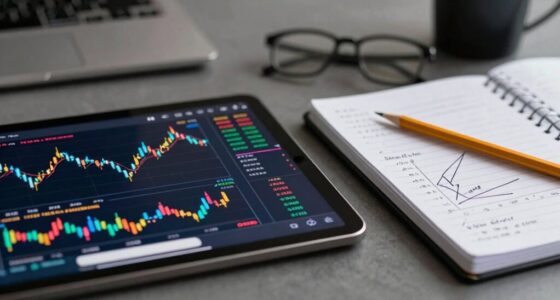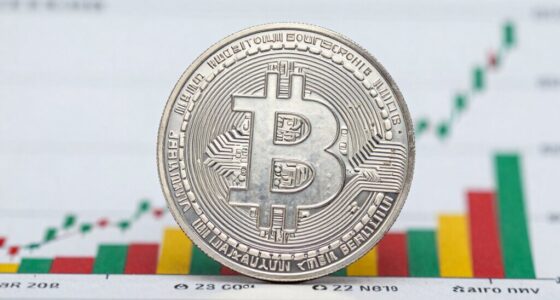

If you’re looking at low-float tokens, you may see quick price increases and think they show strong demand, but that’s often misleading. Their limited supply makes small trades seem like major interest, hiding liquidity problems and the potential for manipulation. A few traders can heavily influence the price, creating false signals of strength. By understanding these factors, you’ll better recognize when a token’s apparent resilience isn’t as solid as it looks—and discover more hidden details.

Get home office essentials delivered free — and shop member deals
- Fast, free delivery on millions of items
- Access to Prime Big Deal Days deals on October 6–7
- Prime Video, Amazon Music and more included
Key Takeaways
- Small circulating supply causes exaggerated price swings from minimal trading activity.
- Low float makes tokens susceptible to market manipulation by a few traders.
- Price spikes may be temporary and driven by hype rather than genuine demand.
- Limited liquidity causes large trades to significantly impact the token’s price.
- Apparent strength can be misleading due to false signals created by manipulation and thin markets.

Have you ever wondered what makes some cryptocurrencies more volatile than others? One key factor is the low float of certain tokens. A low-float token has a small number of coins available for trading, which can give the illusion of strength and stability. When only a limited supply is in circulation, even modest buying or selling activity can cause significant price swings. This creates an environment where the token can appear more promising or resilient than it truly is. You might see a sharp spike in price and assume the project has strong fundamentals, but in reality, it could be just a temporary move driven by low liquidity.
Low float tokens can create false impressions of strength due to small circulating supply and high volatility.
Market manipulation becomes easier with low-float tokens. Because there are fewer coins floating around, a handful of traders or entities can influence the price with coordinated buying or selling. This makes it tricky to distinguish genuine market interest from manipulation designed to inflate or deflate the token’s value artificially. As a trader, you need to be aware that what looks like a bullish trend could be orchestrated by a small group trying to create hype or trigger FOMO among retail investors. The illusion of strength is often crafted deliberately in these situations, which can mislead even seasoned traders. Additionally, low-float tokens often attract speculative trading due to their small supply, further amplifying their volatility.
Liquidity challenges also play a significant role in how low-float tokens are perceived. Limited liquidity means that executing large trades can drastically move the price, discouraging normal trading activity. This lack of liquidity can cause sudden, unpredictable price jumps or drops, making the token appear more dynamic or resilient than it really is. When you see a token with a small market cap and low trading volume, remember that the price might not reflect genuine demand but rather thin order books and the potential for a few trades to sway the market. This volatility can be exploited by savvy traders but can also trap unwary investors who believe in the token’s apparent strength. Recognizing market manipulation and thin liquidity can help you make more informed trading decisions.
In essence, low-float tokens often look stronger than they are because the small supply amplifies price movements and invites manipulation. As a trader, you should approach these tokens with caution, understanding that their seeming resilience can be deceptive. The apparent strength is frequently a product of liquidity challenges and market manipulation rather than real demand or project fundamentals. Recognizing this helps you avoid falling for false signals and makes your trading decisions more grounded in reality.
cryptocurrency trading analysis tools
As an affiliate, we earn on qualifying purchases.
As an affiliate, we earn on qualifying purchases.
Frequently Asked Questions
How Does Low Float Affect a Token’s Trading Volume?
Low float increases a token’s trading volume because fewer tokens are available, making each trade more impactful. This can lead to significant price swings and heightened market activity. While it might seem like a sign of strong market interest, it actually causes more price volatility and less stability. You’ll notice that with low float tokens, even small trades can cause big price movements, affecting overall market stability.
Can Low-Float Tokens Be Manipulated Easily?
Yes, low-float tokens can be manipulated more easily because their small supply makes it simple for traders to influence the price. When the market cap is low, even minor trades cause big swings. Token burn events reduce supply further, increasing volatility. This combination allows savvy traders to manipulate prices, making low-float tokens seem more active or valuable than they truly are. Always be cautious with these tokens.
What Risks Are Associated With Investing in Low-Float Tokens?
You face significant risks with low-float tokens, as sudden shifts in market sentiment can cause wild price swings. Regulatory concerns loom large, potentially leading to crackdowns that wipe out your investment overnight. These tokens are often manipulated, making their apparent strength deceptive. If you’re not cautious, you could find yourself caught in a volatile storm, risking your entire investment on a whim of market forces and regulatory actions.
How Does Liquidity Impact Low-Float Token Prices?
Liquidity directly impacts low-float token prices by affecting your ability to buy or sell without causing drastic price changes. When liquidity is low, even small transactions can considerably shift market capitalization and highlight token scarcity, making prices seem higher than they truly are. This can create false signals of strength, so you should be cautious. Always consider liquidity levels alongside market capitalization to gauge a token’s real value accurately.
Are Low-Float Tokens Suitable for Long-Term Holding?
You wonder if low-float tokens are good for long-term holding. The answer depends on market capitalization and token scarcity. Their limited supply can boost value temporarily, but if the project falters, scarcity alone won’t sustain growth. You need to watch how market cap evolves, as high scarcity might mask underlying risks. Carefully assess the project’s fundamentals before committing long-term, because what seems strong now could fade quickly.
market manipulation detection software
As an affiliate, we earn on qualifying purchases.
As an affiliate, we earn on qualifying purchases.
Conclusion
So, next time you see a low-float token soaring, remember it might not be as strong as it looks. The hype can be driven by limited supply, but that doesn’t guarantee long-term stability or true value. Always dig deeper beyond the surface, question the fundamentals, and consider the risks. Just because something seems powerful in the moment doesn’t mean it’s a safe or sustainable investment. Stay cautious and keep questioning the real strength behind the hype.
As an affiliate, we earn on qualifying purchases.
As an affiliate, we earn on qualifying purchases.
Fall Picks
fall essentials
As an affiliate, we earn on qualifying purchases.